Samuel Nishimura
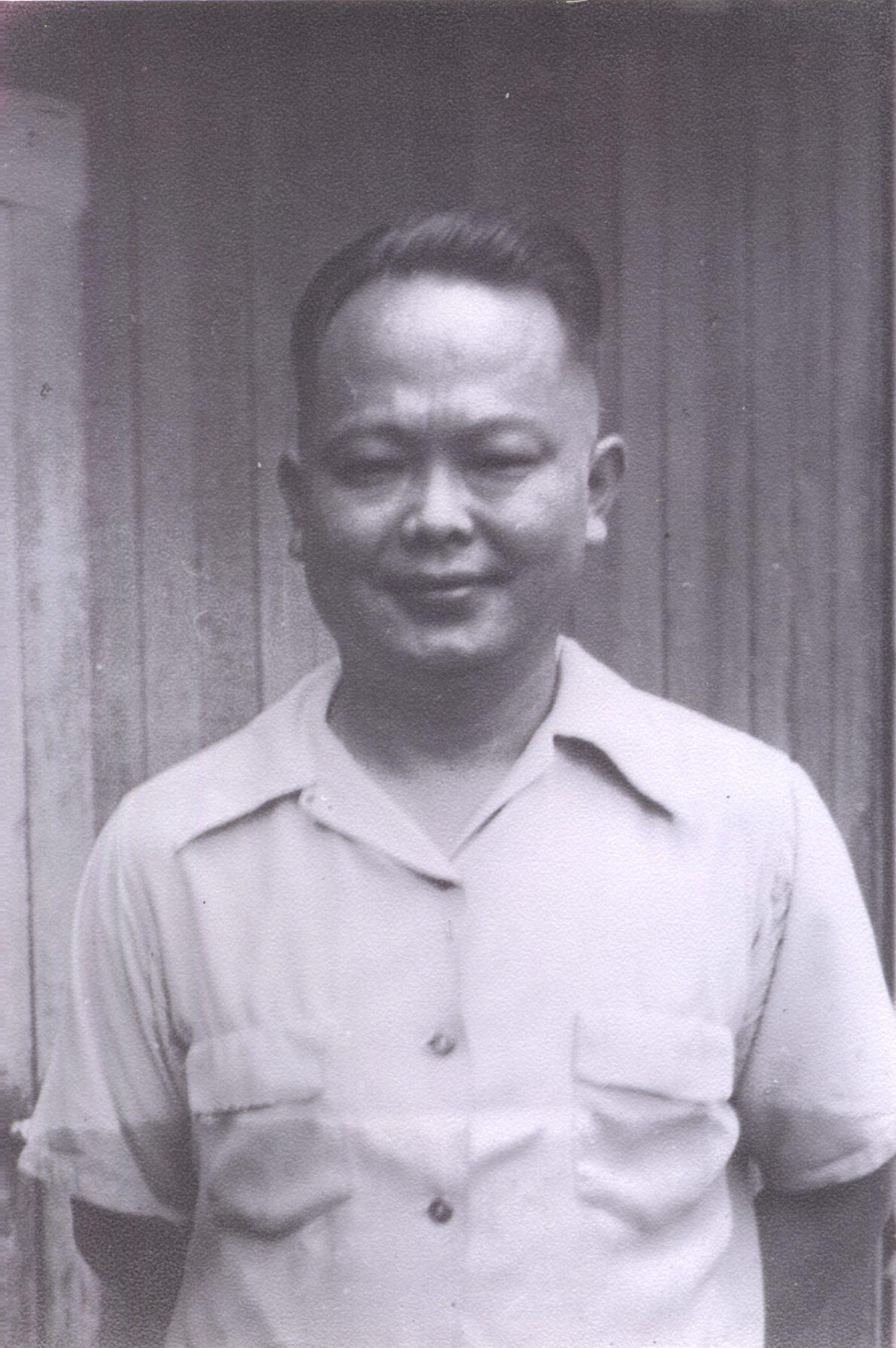
Samuel Masao Nishimura ca. 1940, personal collection of Sandi Chang, scanned in 2026 by Reva Mai
Samuel Masao Nishimura was born in Haleʻiwa, Oʻahu on April 28, 1905. His father had come to Hawaiʻi from Kumamoto, Japan in 1899 to work as a contract laborer. Initially working in Maui, his father later moved to Oʻahu to work in ʻAiea and ʻEwa, before eventually settling in Haleʻiwa in 1904 to start truck farming. After selling the truck farm, he worked on a plantation once more before apprenticing as a tailor and opening his own tailor shop in 1915. As a child, Nishimura attended Kaʻaʻawa School and Haleʻiwa Elementary School before moving to Honolulu and enrolling in a Japanese school and McKinley High School, where he graduated in 1925.
Nishimura initially applied for a job at the Bank of Hawaii but after his mother passed away, he became a tailor to help his father at the family tailor shop. While Nishimura had previously met his wife, Hisae Matsumoto, at Japanese school when they were younger, the two met again when she began working at his father's shop and eventually married. The couple would go on to have six children: Ellen, Edna, Stanley, Grace, George, and Doris.
Prior to the war, Nishimura was approached by a member of the community to sign a bank note on behalf of his father for the purpose of raising money to purchase trucks to send to the Japanese Red Cross. Nishimura initially refused, believing that as a Nisei, he shouldn't sign since those involved in sending the trucks were the Issei. He was eventually convinced to sign as his father was retired and had no bank account, and thought nothing of it as the public sentiment at the time was that if the donation was going to the Red Cross and not the Japanese Army, it would be considered unproblematic. However, as Nishimura would find out as he was being questioned during an initial investigation into the donations, the Japanese Red Cross was connected to the Japanese Army and Navy.
After initially being investigated on April 11, 1942, Nishimura was arrested four days later on April 15 by the FBI. Nishimura had the managers of a plantation and bank vouch for his character at his hearing, and when he was asked what his reaction would be if the Japanese landed in Hawaiʻi, Nishimura responded,
"Well, naturally, being [an] American citizen, [and having] never been to Japan, whatever thing I can do for [the] U.S., I'll do it."
Nonetheless, on April 26, 1942, he along with other detainees were taken to and detained at the Sand Island Detention Camp.
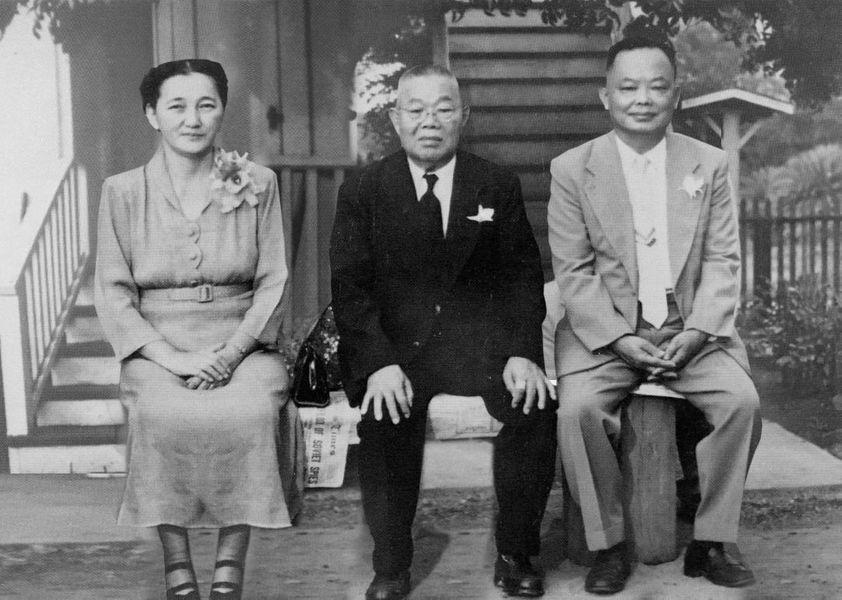
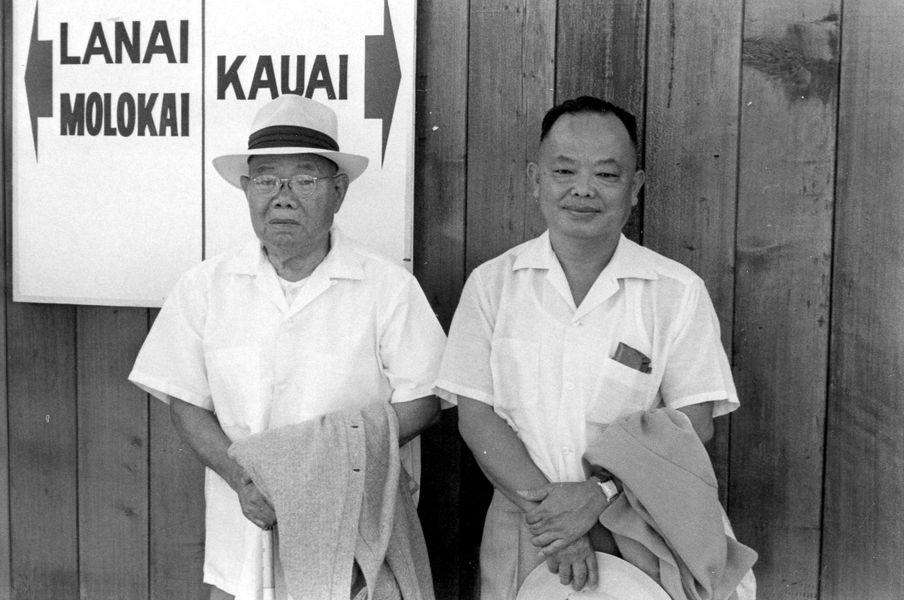
Nishimura with his family, personal collection of Sandi Chang. Photo 1, left to right: Hisae (Nishimura's wife), Keitaro (Nishimura's father), and Sam. Photo 2, left to right: Keitaro, and Sam.
Oral history interview courtesy of the Center for Oral History, University of Hawaiʻi at Mānoa.
Sand Island
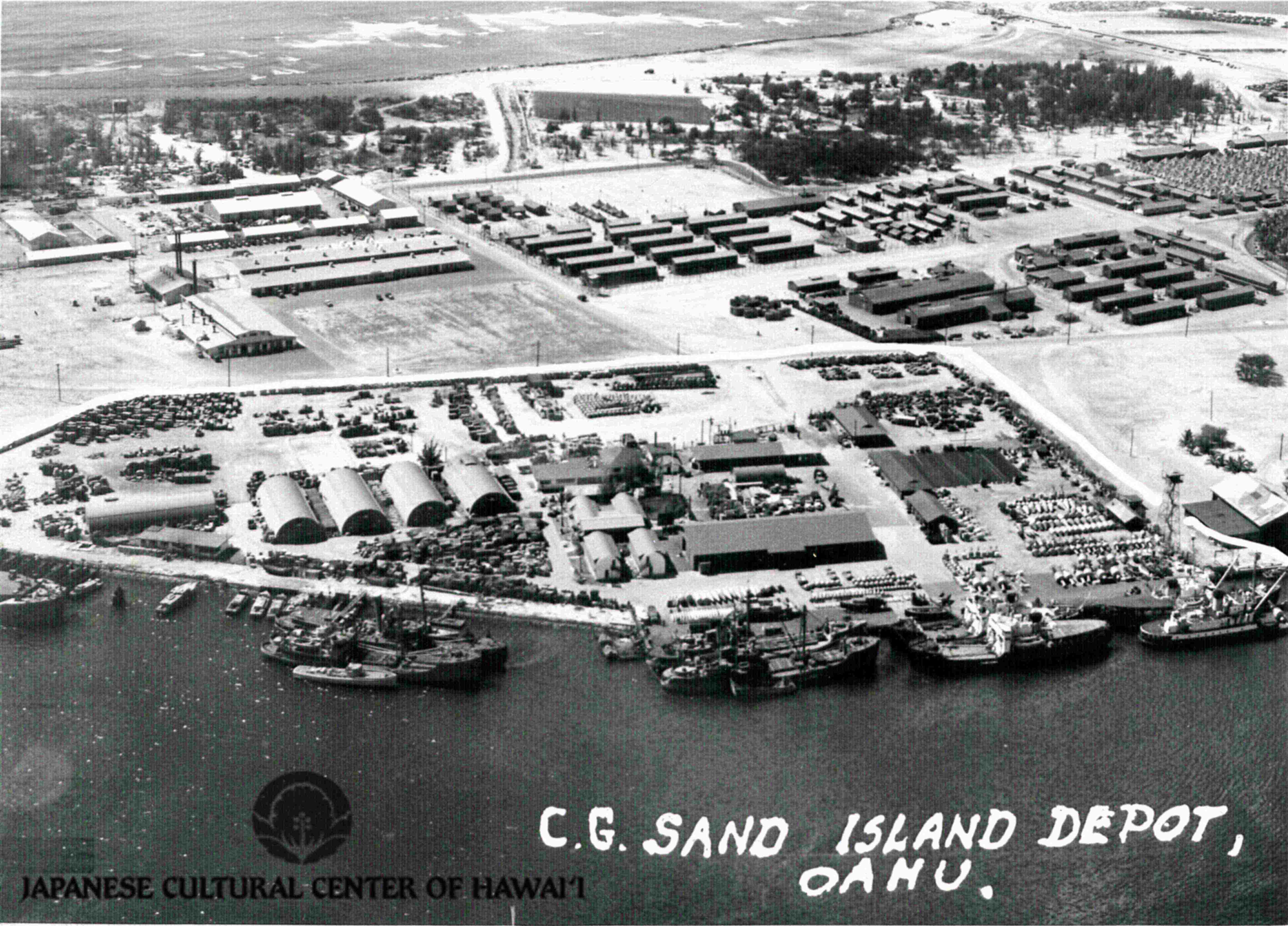
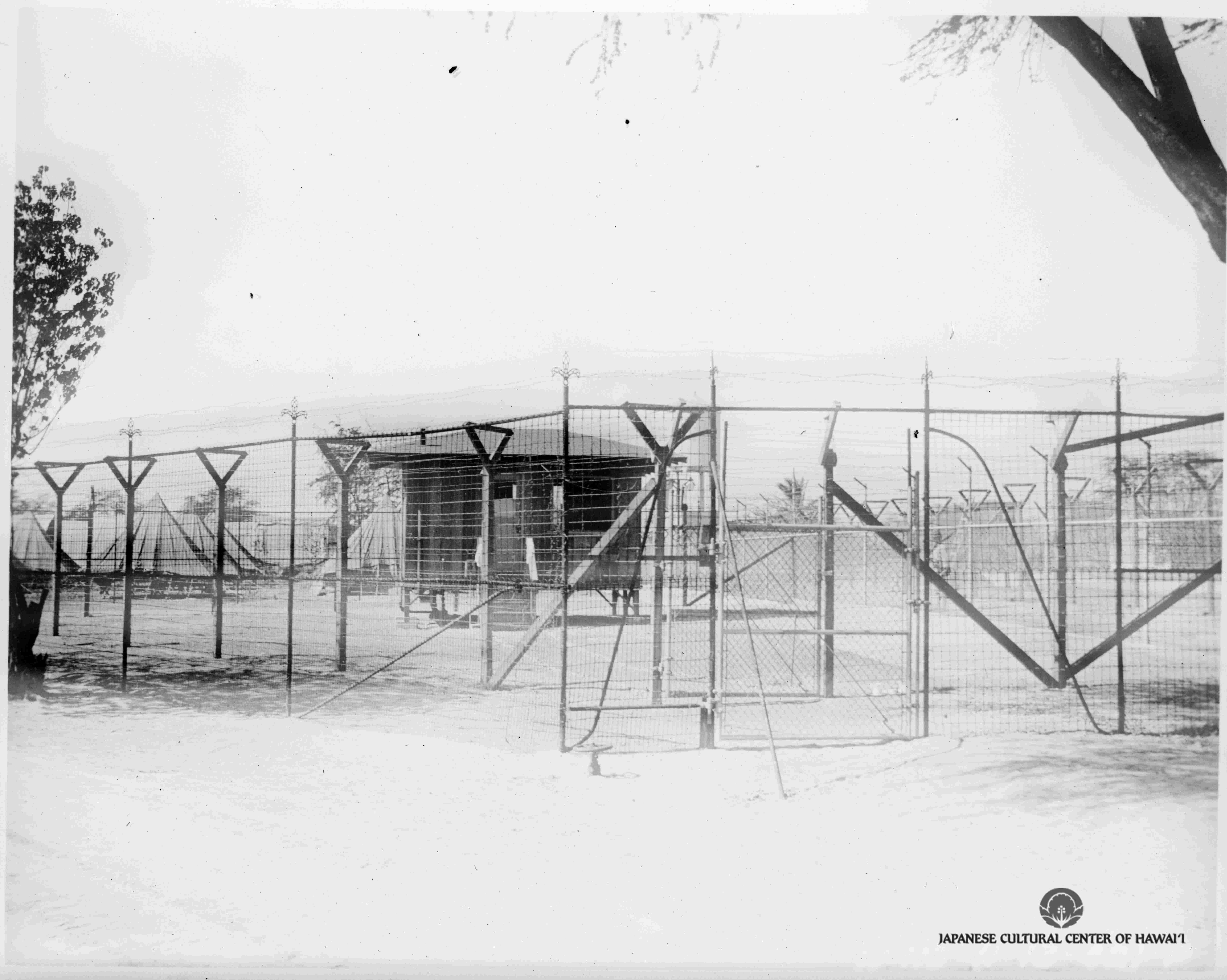
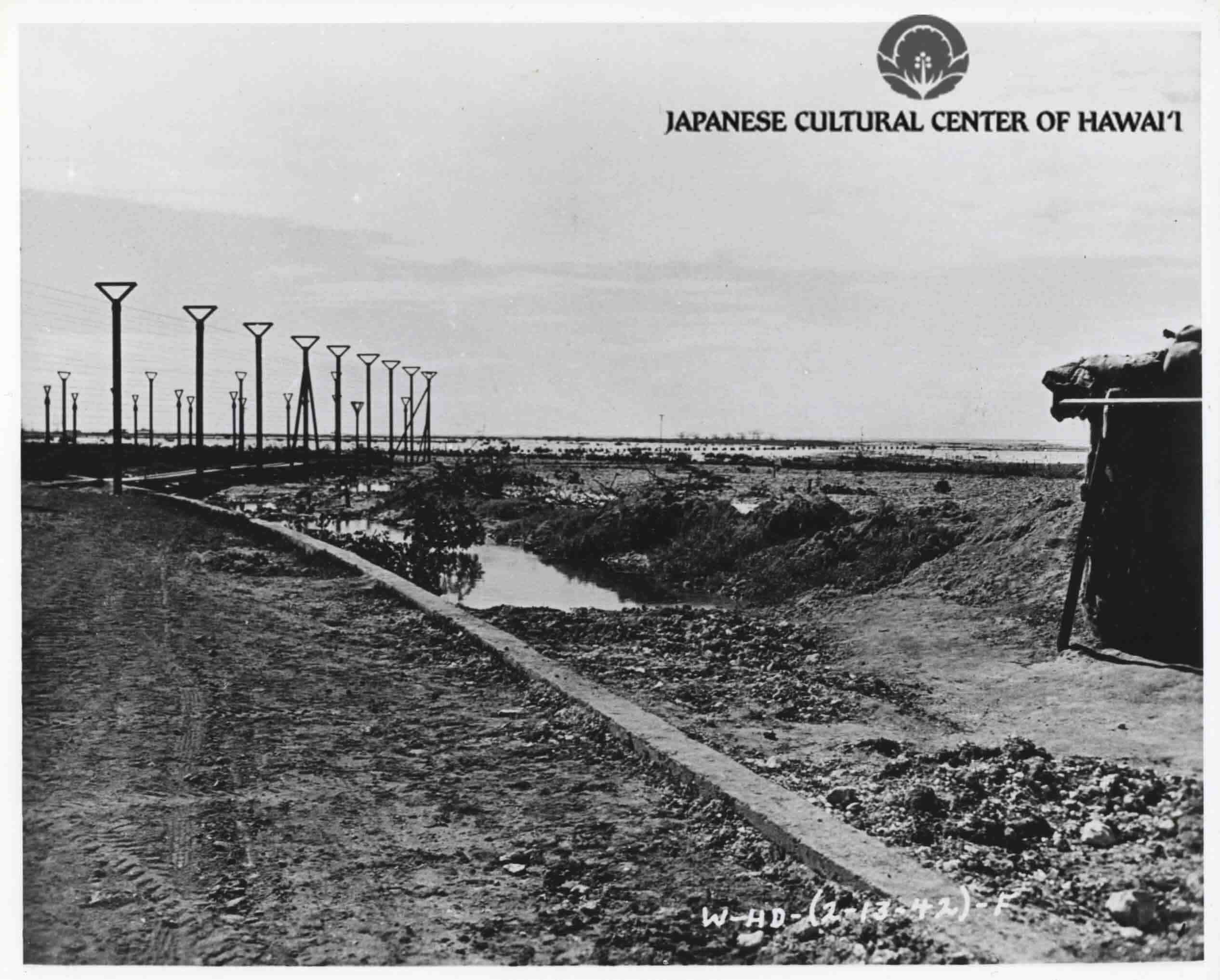
Aerial view of the U.S. Coast Guard Station and Internment Camp at Sand Island, fences surrounding the barracks, and the construction of a fence at the camp. From the Coast Guard, Patsy Saiki, and U.S. Army collections.
Sand Island for many of the detainees felt restrictive, especially in the beginning. According to Nishimura, many items for basic needs had to be requested through the office at the detention camp, from razor blades for shaving, to even pencils or paper for writing a letter. All of the mail coming in and leaving camp was censored, and any money sent to the detainees in the mail from family was confiscated and deposited into the detainees' accounts. They were also not allowed to read newspapers, depriving them of meaningful and important updates outside of the camp regarding the war.
At Sand Island, Nishimura initially worked as part of the kitchen police, which included washing dishes and taking care of tables. Eventually, Nishimura was able to head and operate the tailor shop in the detention camp, and worked primarily with repairing clothing that the detainees brought in. Although many of the camp's detainees were Japanese, there were also Italian and German detainees that Nishimura repaired clothes for as well.
Nishimura saw his family for the first time since being detained on June 6th, just over a month after he had been arrested. Meetings were limited to only an hour, twice a month, and monitored by guards in the same room. Detainees and their family were only allowed to speak in English during these meetings, meaning that many of the Issei who could not speak English were unable to converse with their wives and other family members.
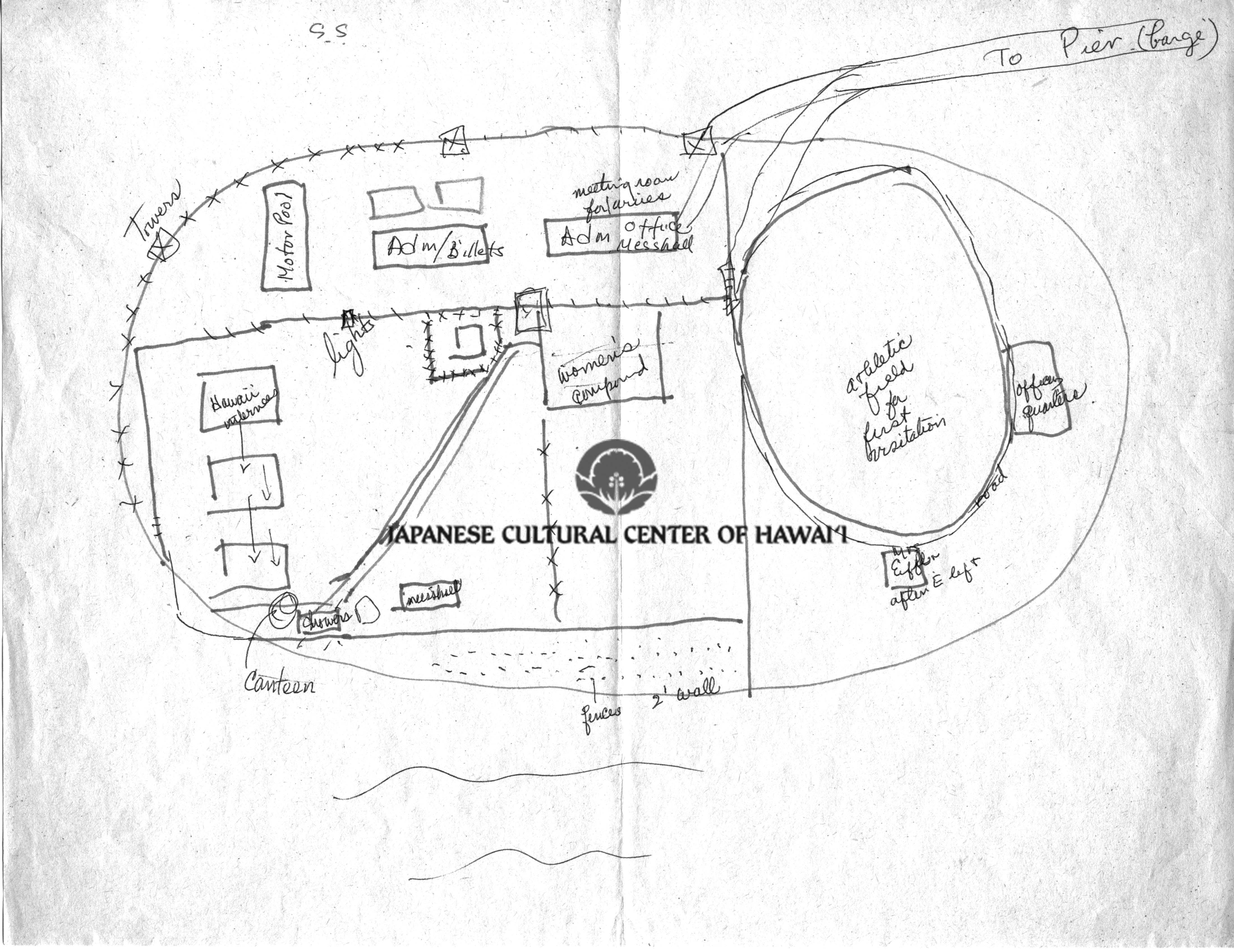
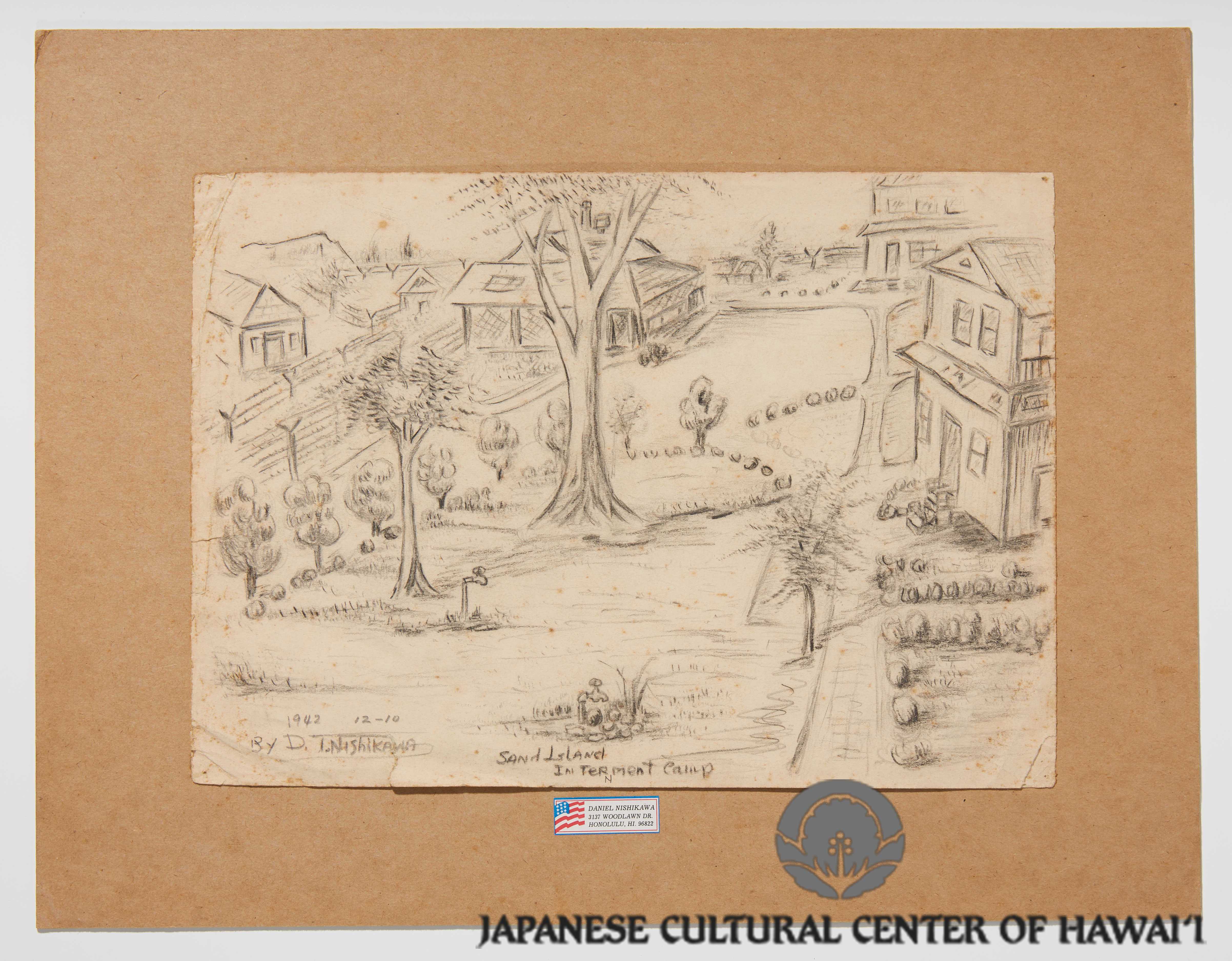
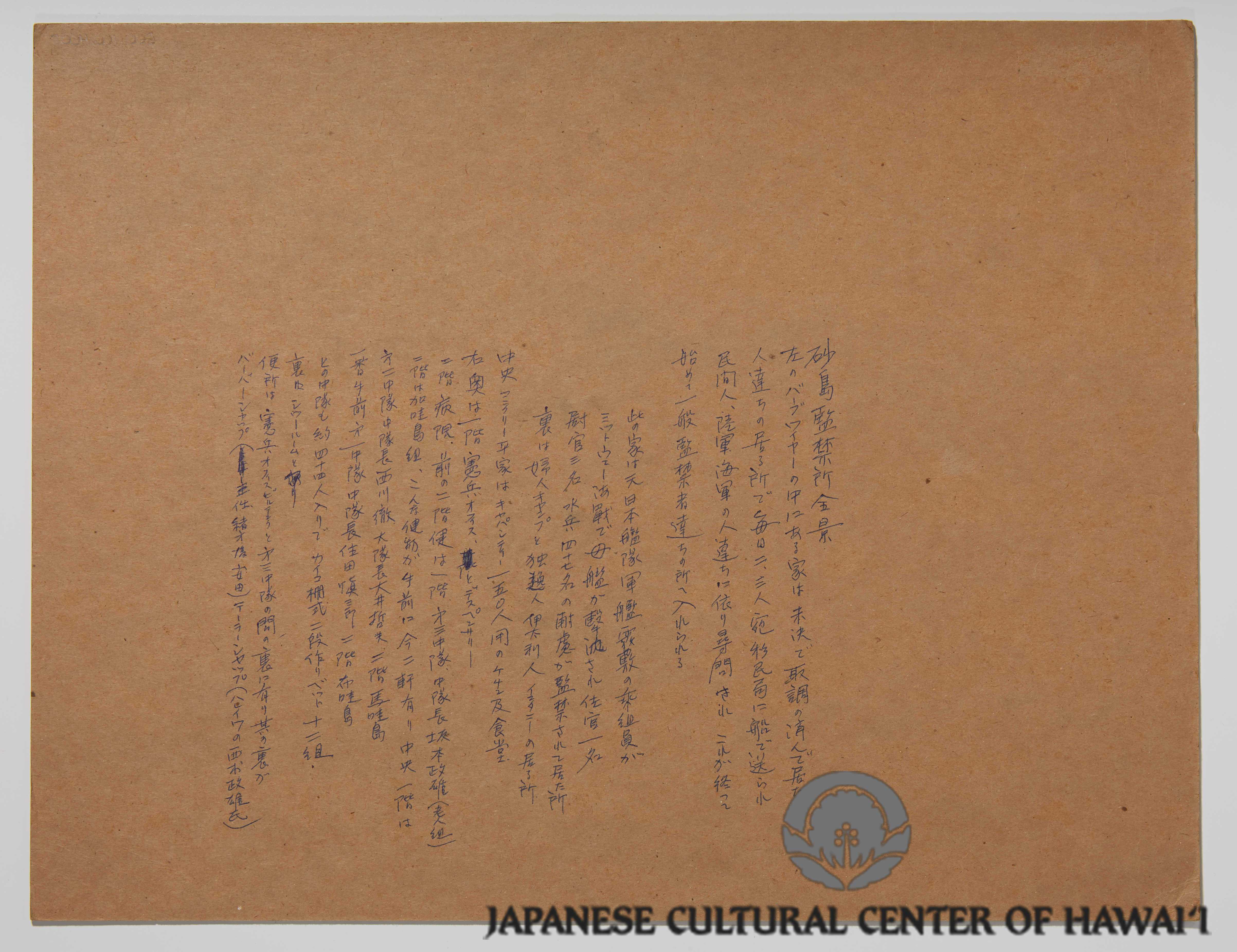
Drawings of the physical layout and space of Sand Island. Memory map drawn by Carl Eifler, the Army commander of Sand Island internment camp, and sketch of Sand Island drawn by Dan Toru Nishikawa, a detainee. From Patsy Saiki and Dan Toru Nishikawa collections.
Detainees were allowed to keep busy with limited recreational activities such as reading, singing (albeit in the barracks), chess, and Go. However, Nishimura still noted the hopeless situation at the time of not knowing when one would be released and the subsequent need to keep busy for the sake of sanity:
"You don't know whether you are going to be released. What you're going to do is you have to make the most of yourself to keep yourself healthy. Just don't lose your mind. That's all to it. So we were telling to ourself [sic], Try and do something so that you won't get stale and you won't lose your mind. That's the main thing. You don't know how long you [sic] going to be in here, so you might as well make the best of it."
In March 1943, when the Sand Island Detention Camp was closed, Nishimura and other detainees were eventually relocated to another camp — Honouliuli Internment Camp.
Honouliuli
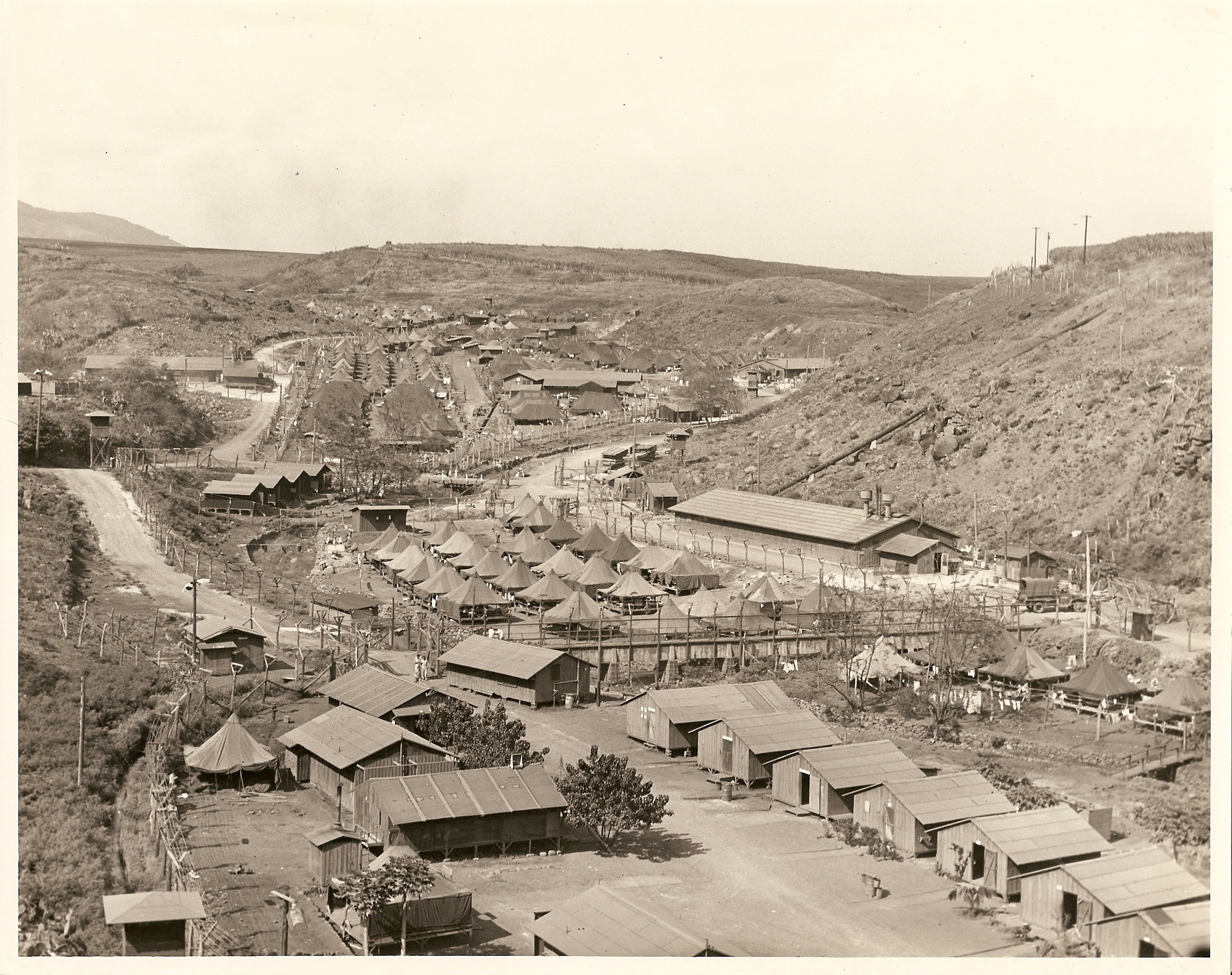
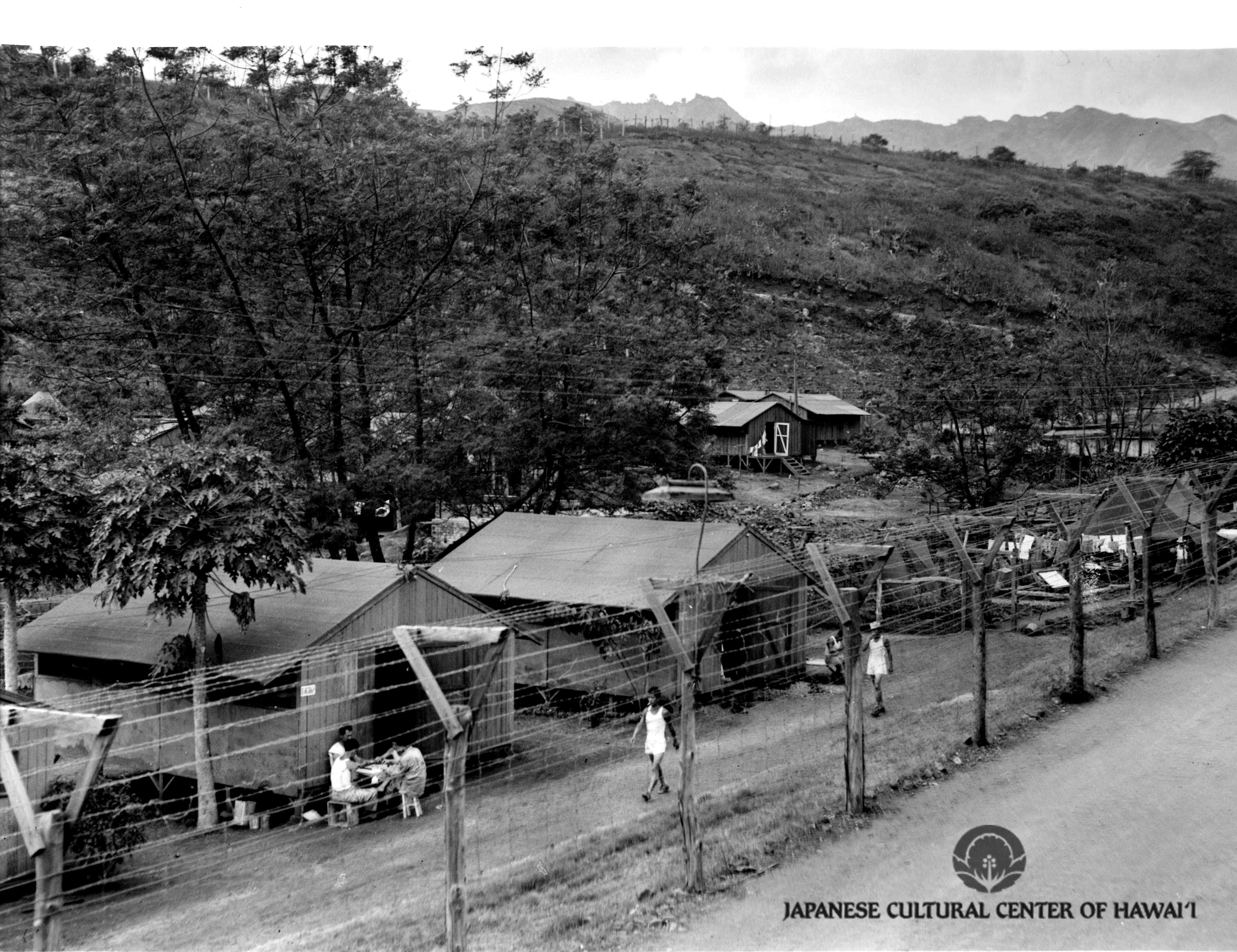
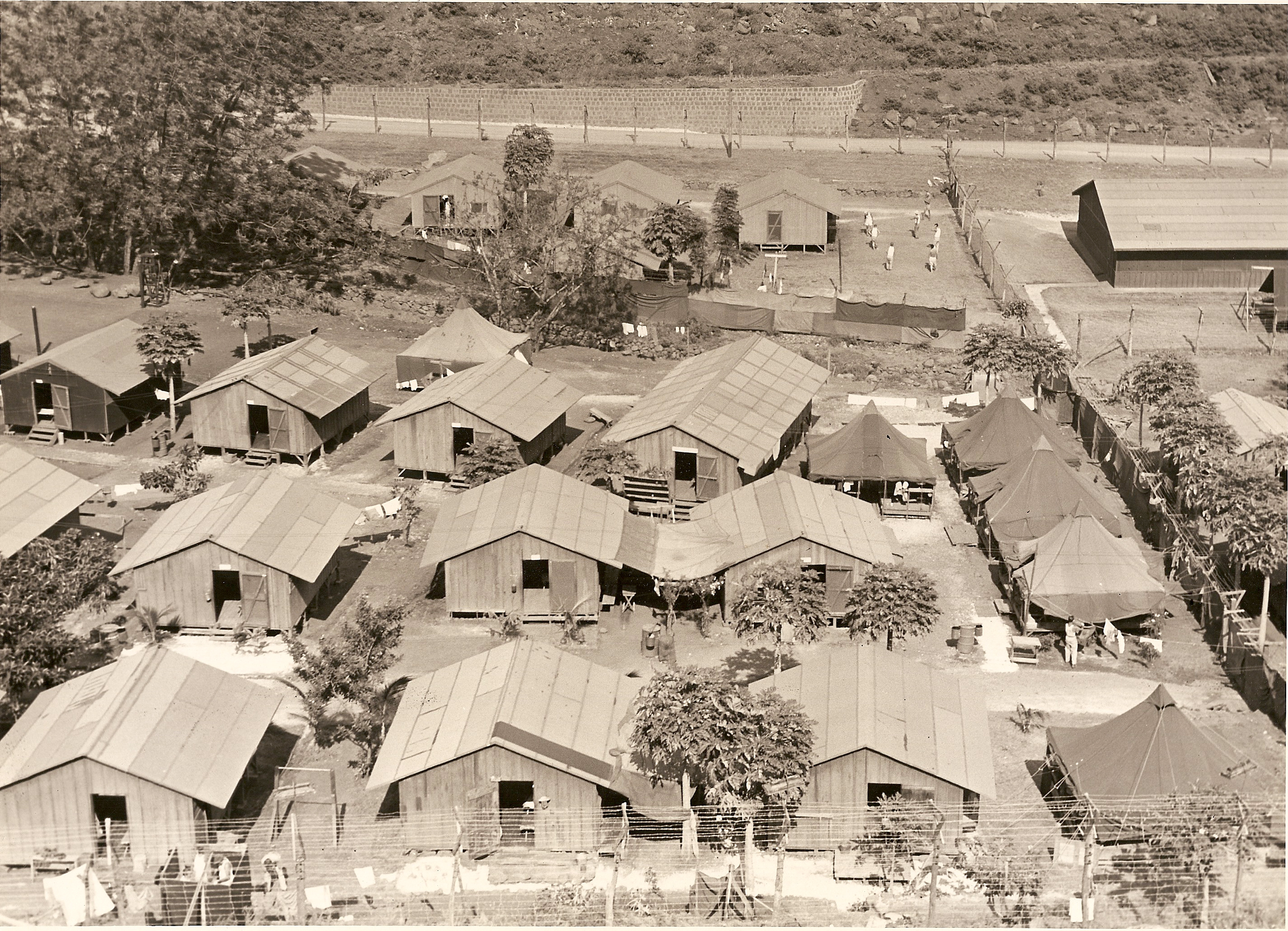
Barracks at Honouliuli that internees would be housed in. Photograph by Harry R. Lodge. Photos 1 and 3 from the Hawaiʻi Plantation Village Collection; Photo 2 from the Japanese American Relocation and Internment: The Hawaiʻi Experience Archival Collection, JCCH.
The Honouliuli Internment Camp was a larger facility than Sand Island, built after concerns about the location of Sand Island, which was inside the Honolulu Harbor. Sand Island was located in Honolulu, whereas Honouliuli was built near Waipahu. Despite being bigger, the need to keep occupied for the sake of one's sanity was still important in Honouliuli. Nishimura was fortunate to retain his task as a tailor in Honouliuli, and tailoring also became a way for him to connect with other internees in the camp whenever they needed their clothes repaired. Internees would exchange favors with each other based on their skills prior to the war; for example, Nishimura once made a pair of pants for an internee, who in return, made a cabinet for him.
Even if Nishimura was not acquainted with every internee, he still cared for their well-being. Knowing the importance of keeping busy to avoid losing one's mind while in camp, whenever Nishimura noticed men who looked lonely or lost, he would have them help out in the shop.
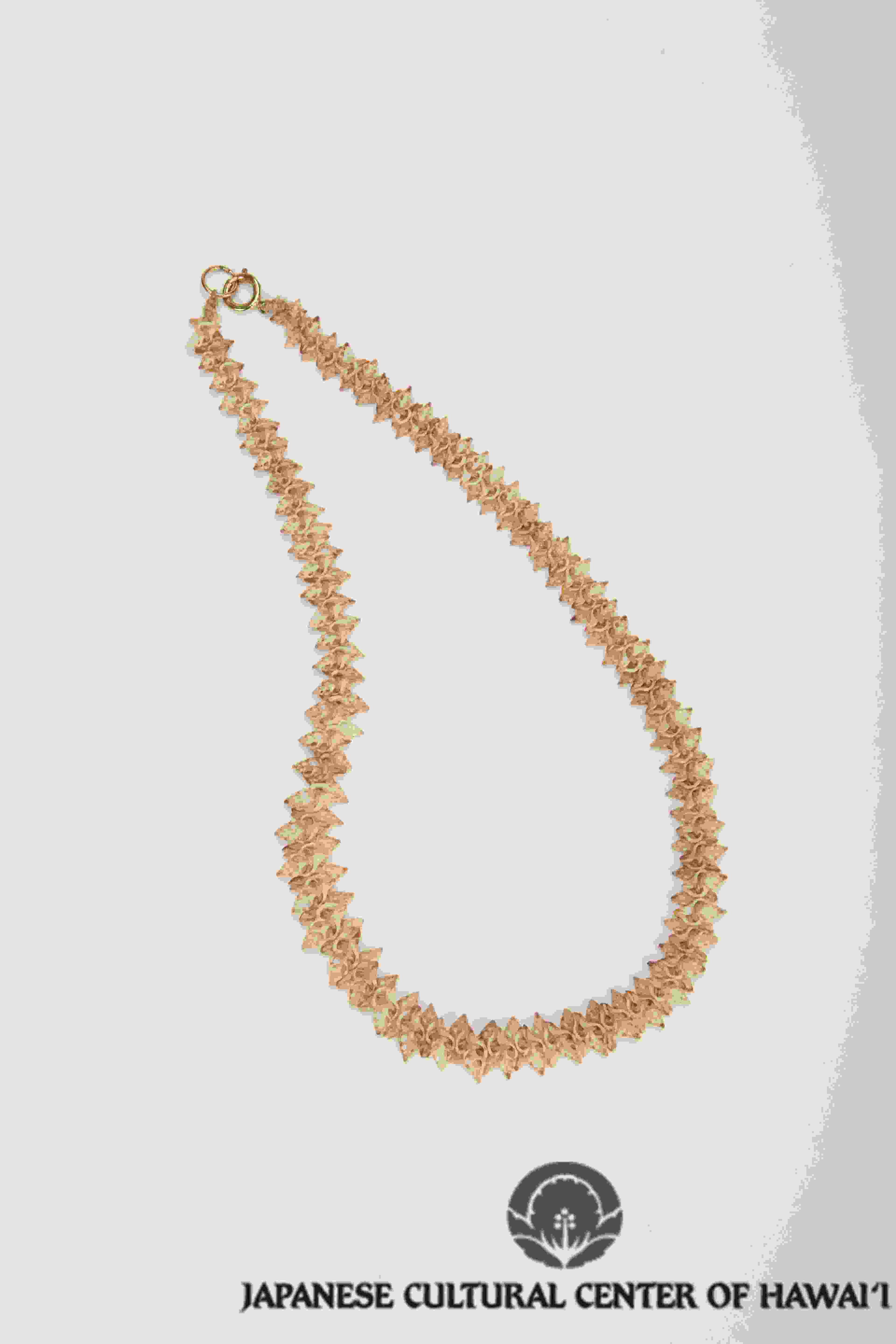
Shell necklace made for youngest daughter Doris Nishimura. From the Sam Nishimura Collection.
Nishimura also socialized with other internees through softball, and once won a championship with his team in camp. He also became friends with Dan Toru Nishikawa, a fellow internee who was considered a leader figure in the internment camp and a talented artist. Once gifted a leftover cotton rice bag from the mess hall, Nishimura made it into an apron and gave it to Nishikawa, who subsequently painted the kanji, 地獄谷, onto it, meaning "Hell Valley," which internees often described the camp as.
It was at Honouliuli where Nishimura found a new way to channel his creativity through crafting. When not working or playing softball, Nishimura used materials and refurbished existing objects to create many items. He crafted toy Jeeps from wood and metal wires, a necklace made of shells, and numerous rings made from the celluloid of toothbrush handles. He describes the process of turning a toothbrush into a ring as such:
"We cut the [toothbrush] strip with the hacksaw and then put in the hot water. Get a round pole, put 'em on top and make a shape. Then we had to get a [sic] sandpaper to 'grind' it all. All this was done by file, too. All kind designs."
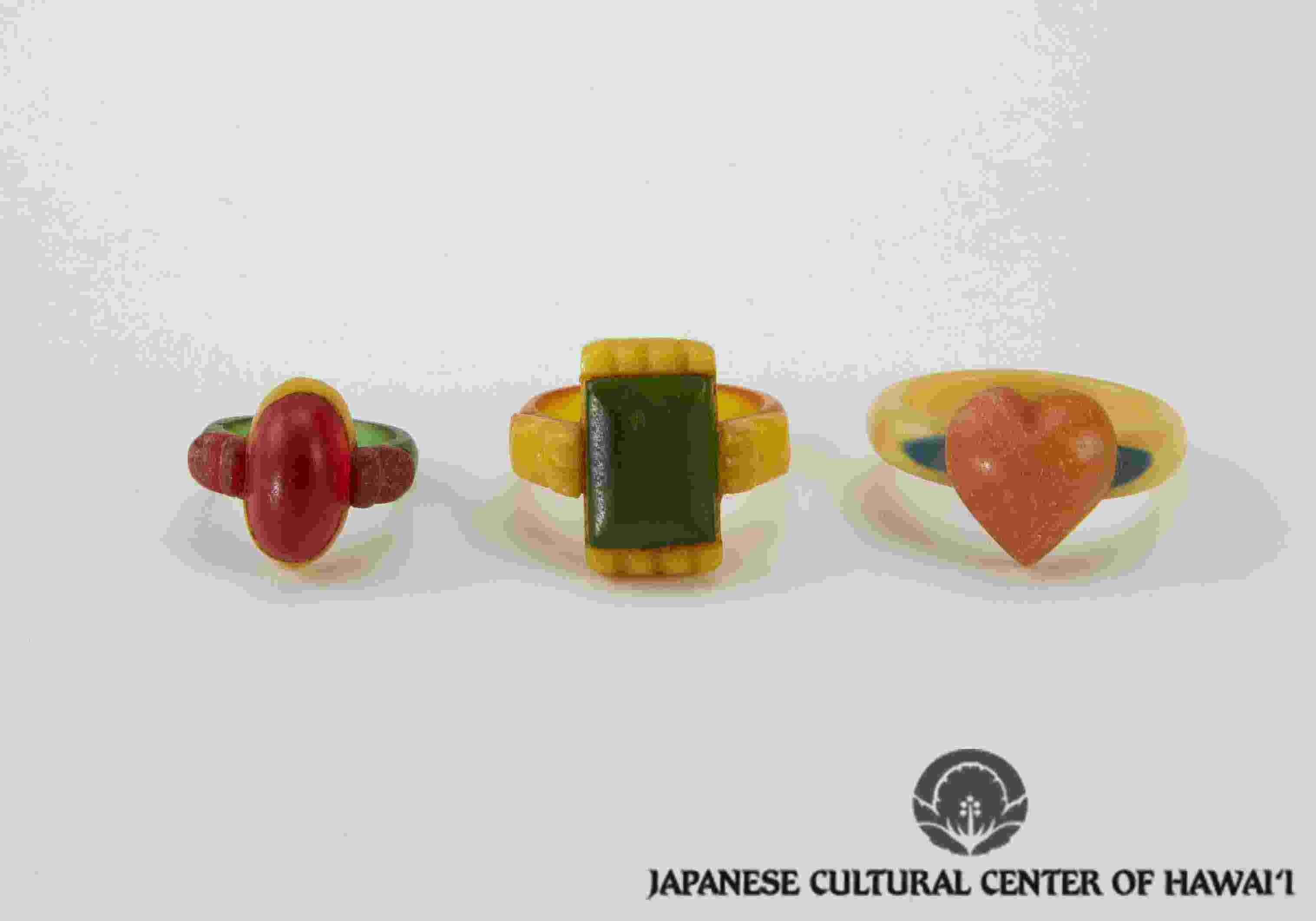
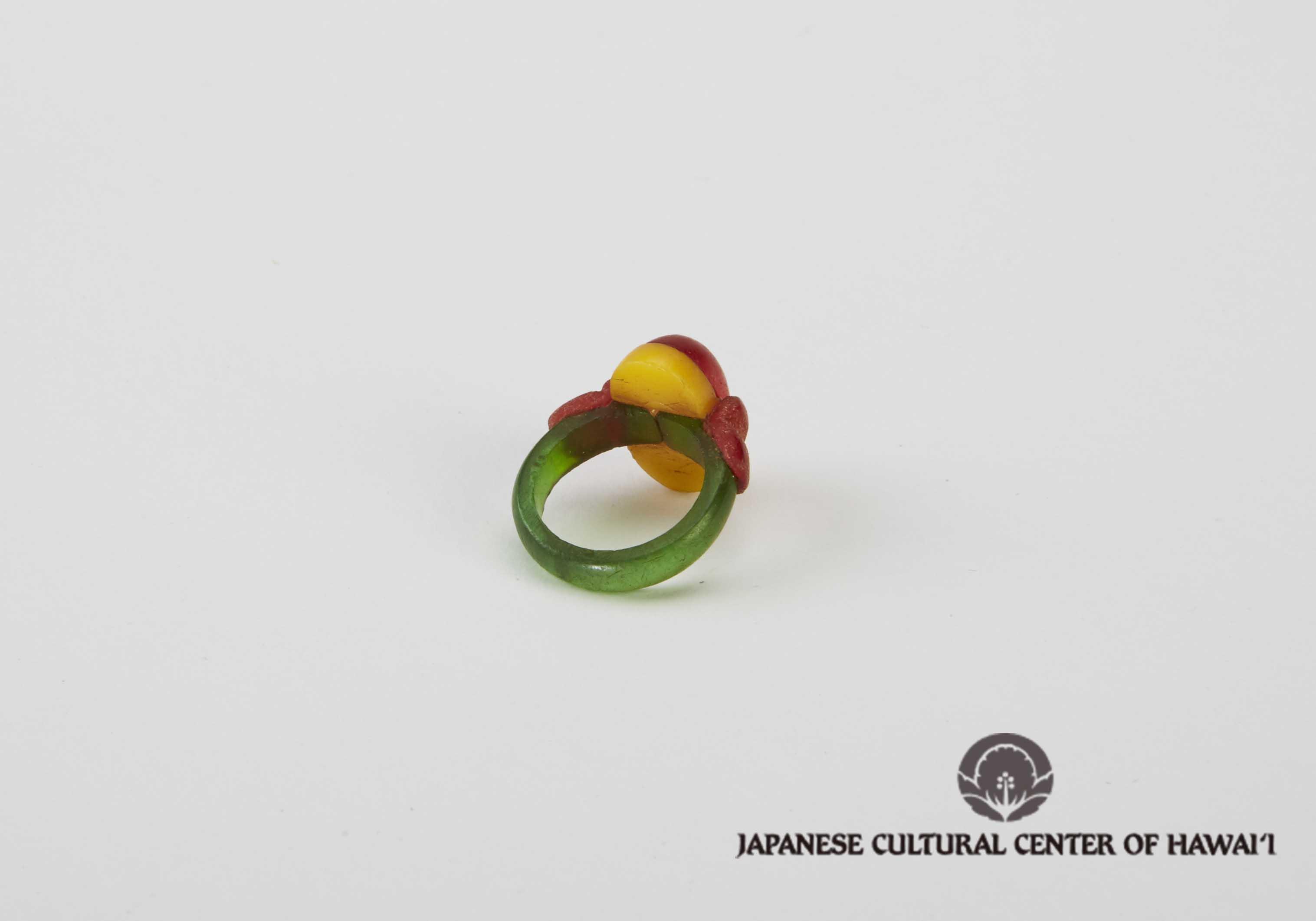
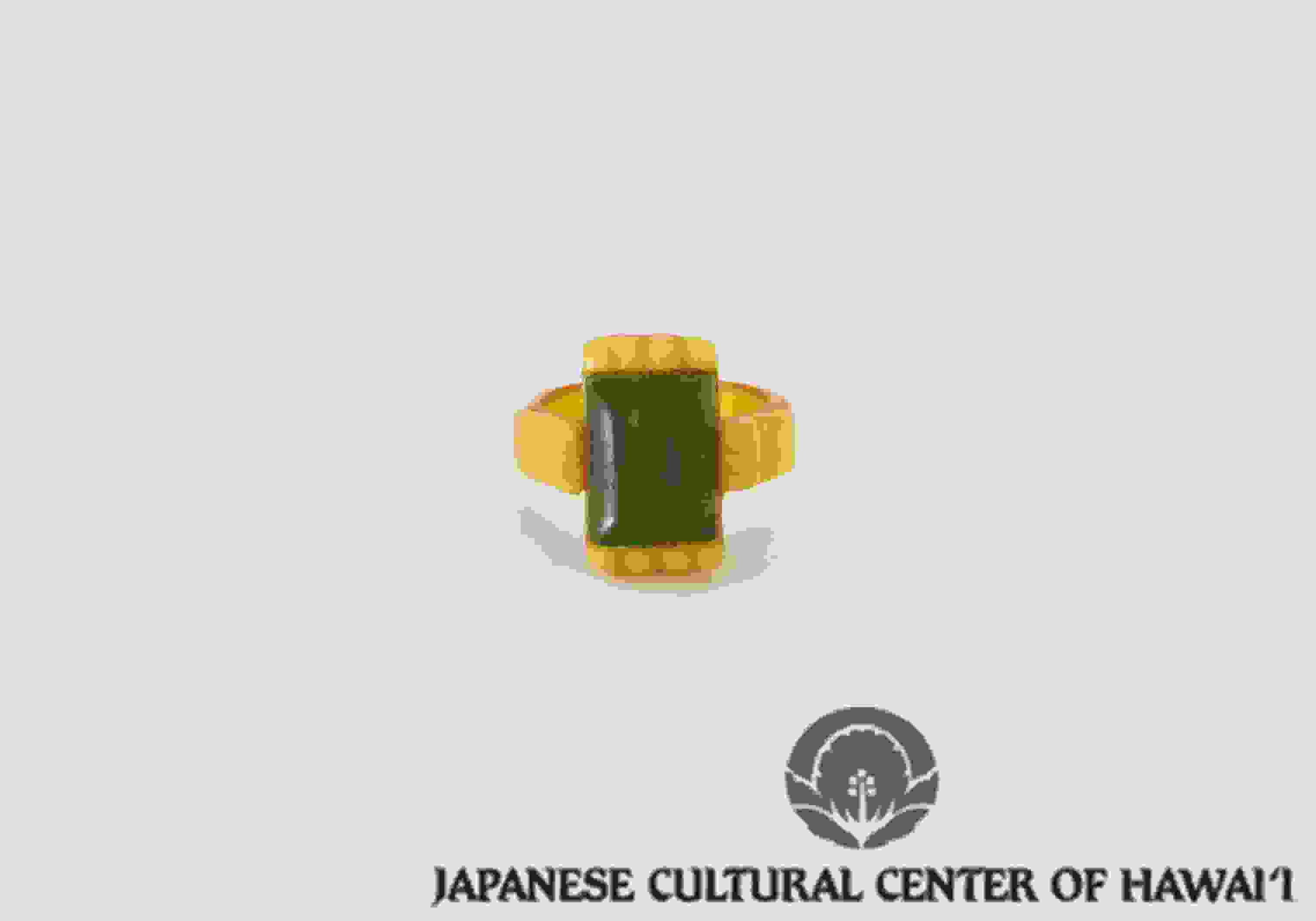
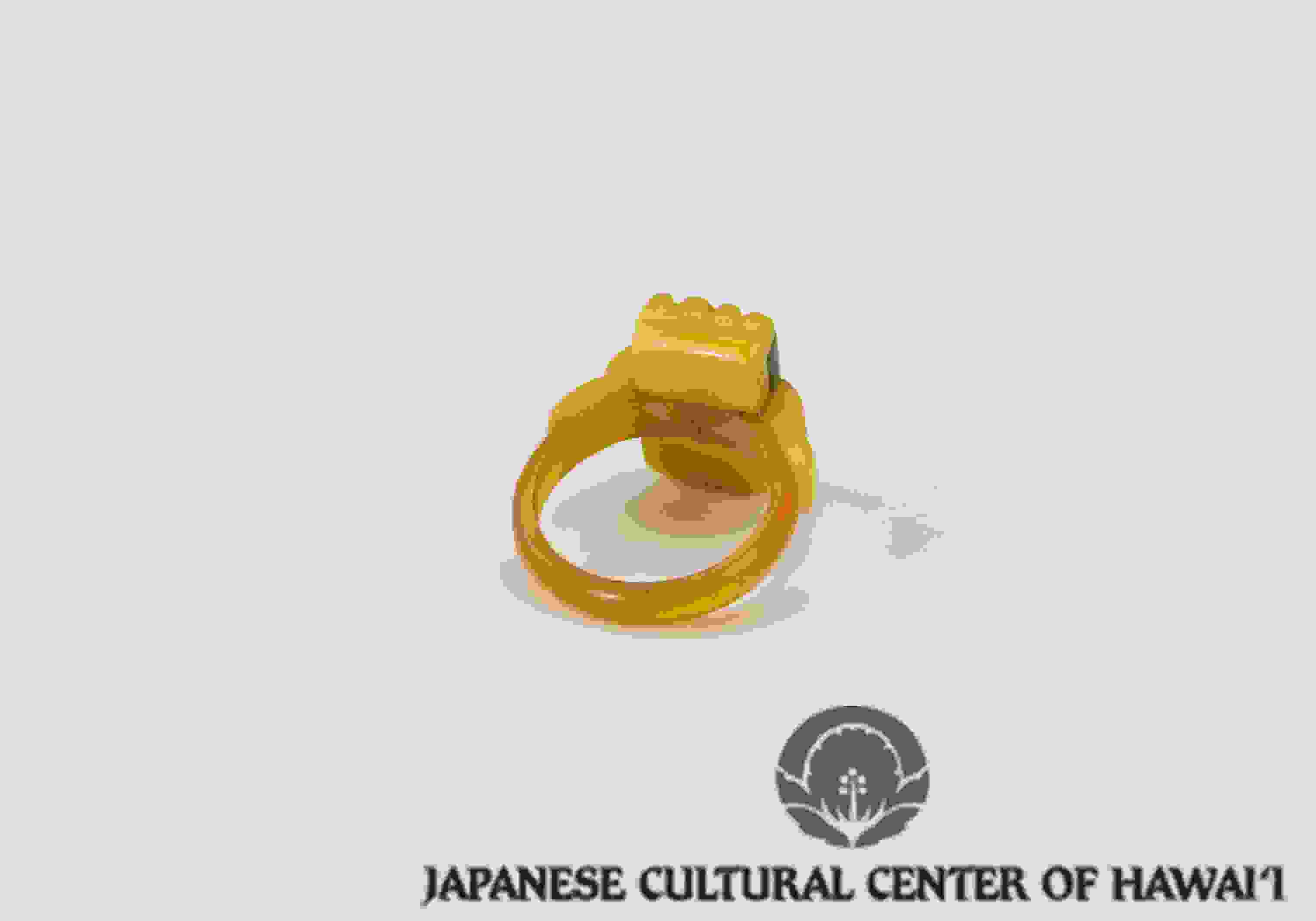
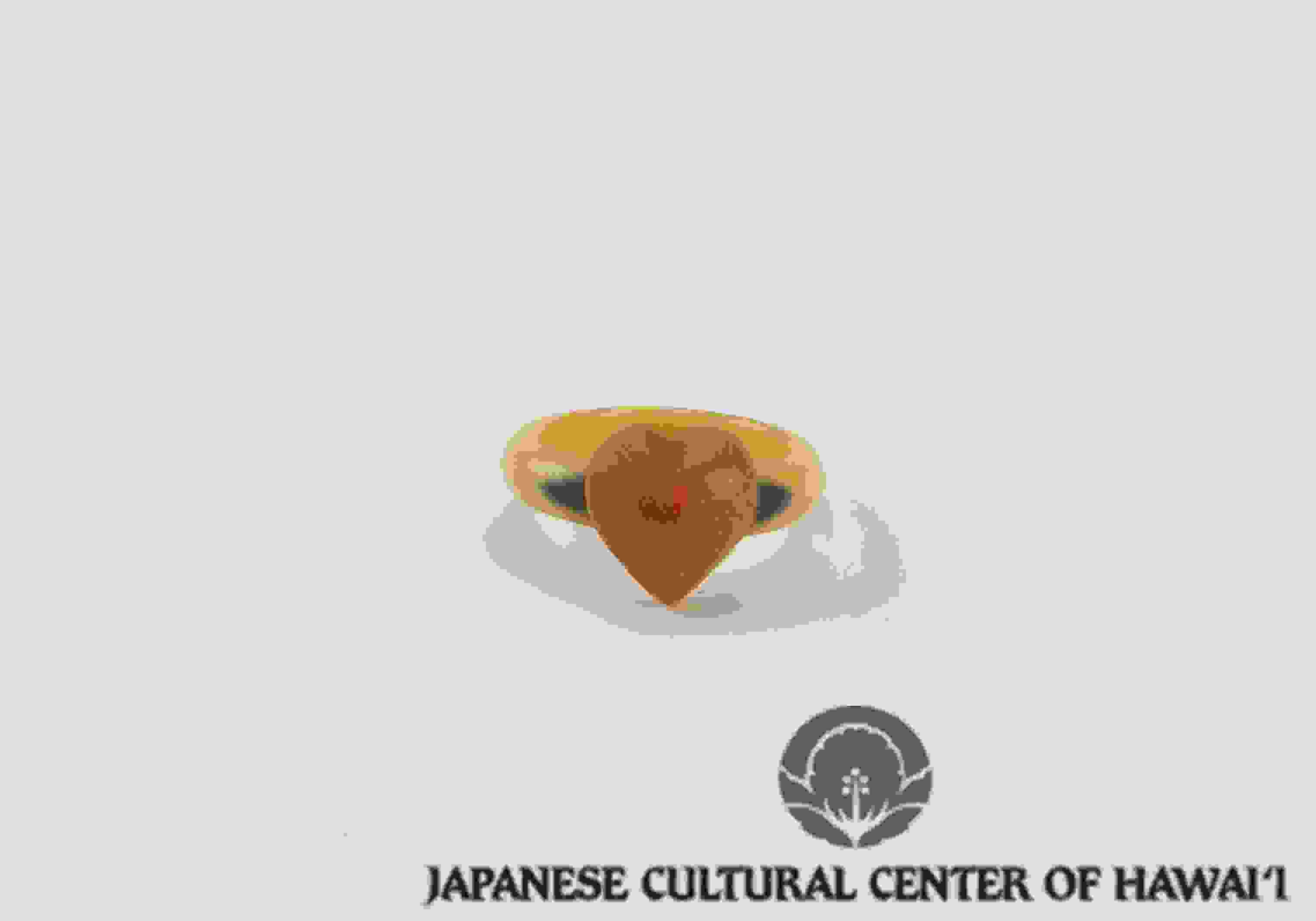
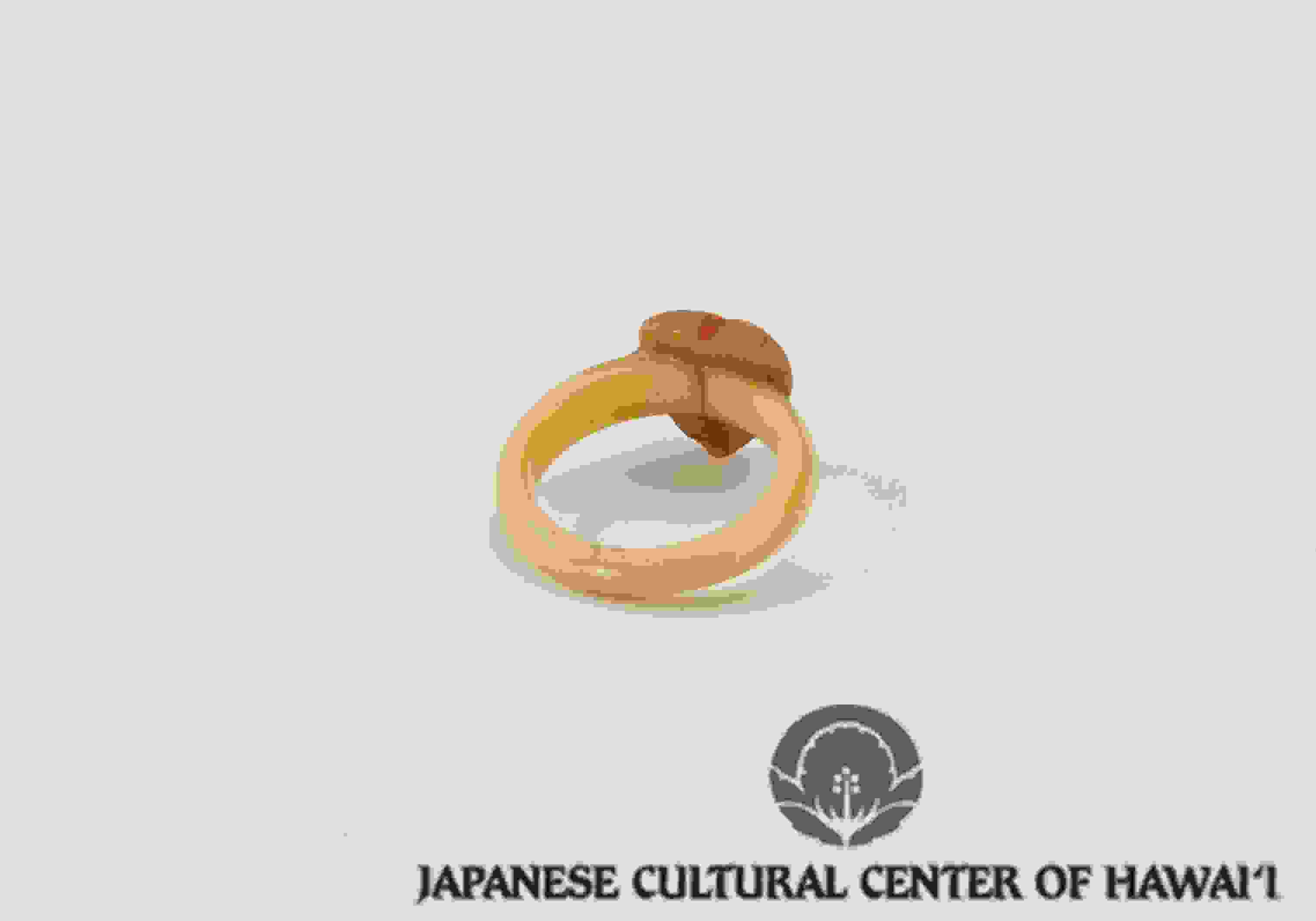
Left to right: red oval shaped "gem" with a green band (made for youngest daughter, Doris Nishimura), green rectangular "gem" with a yellow band, and light orange heart-shaped "gem" with green leaves and a yellow band. From the Sam Nishimura Collection.
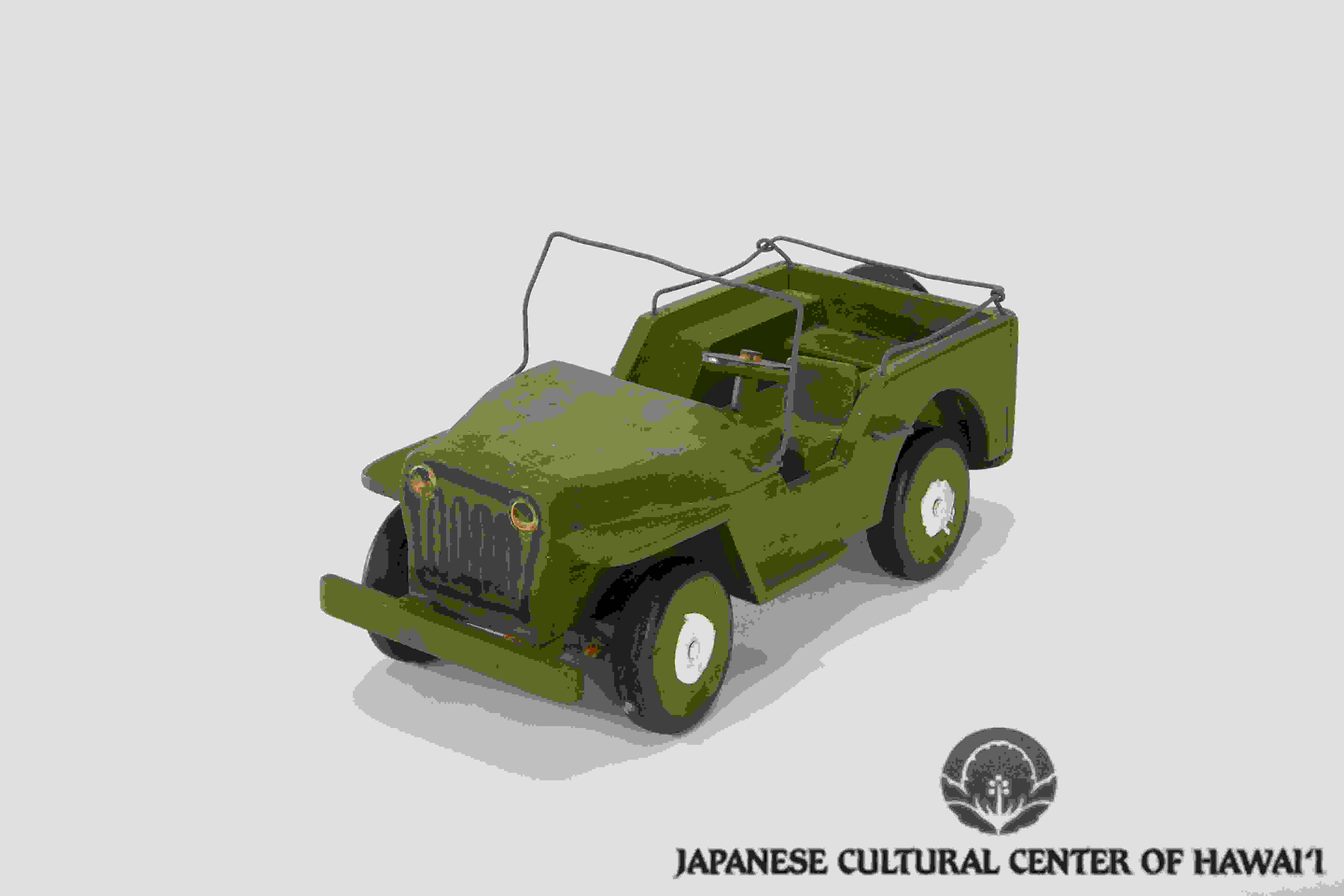
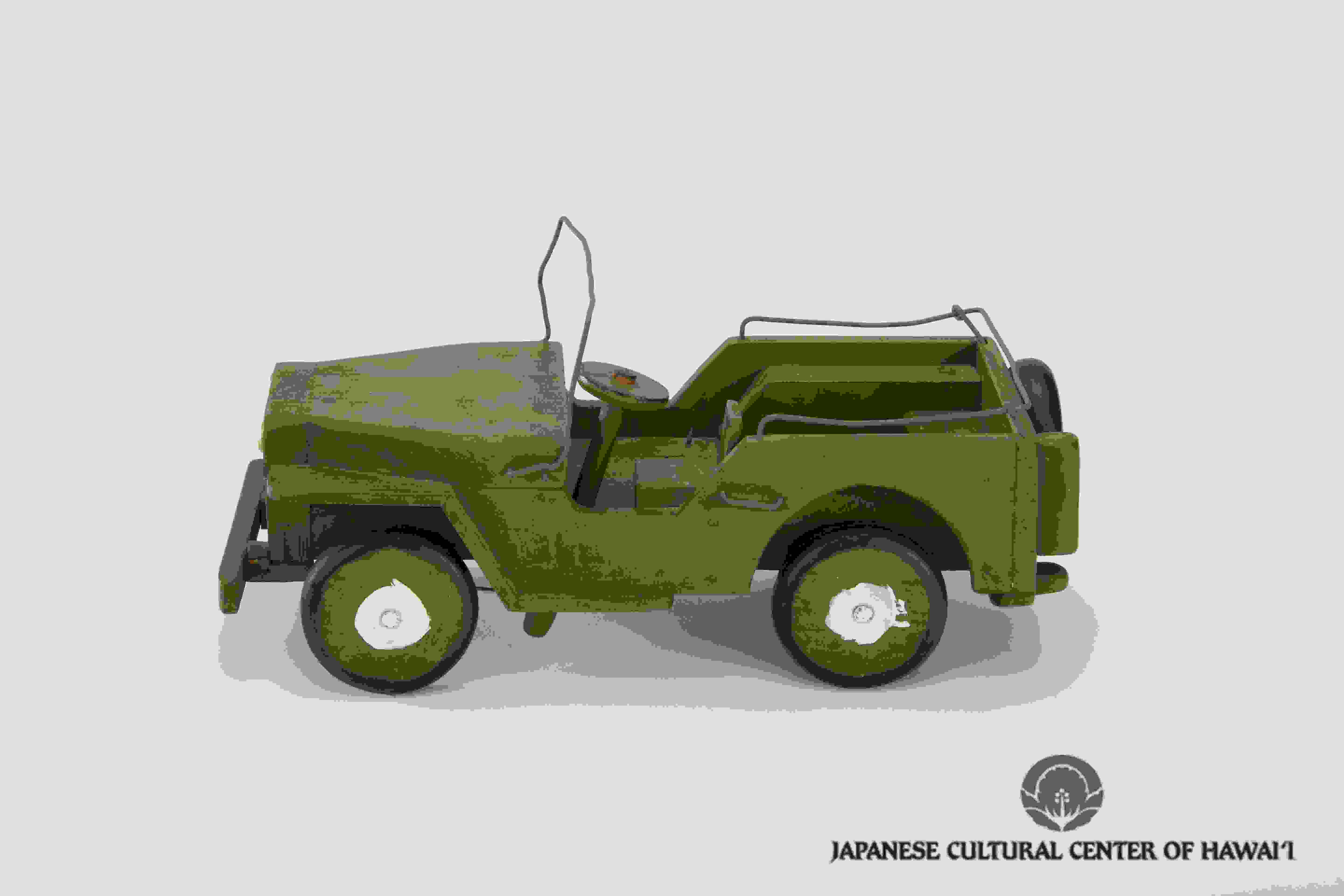
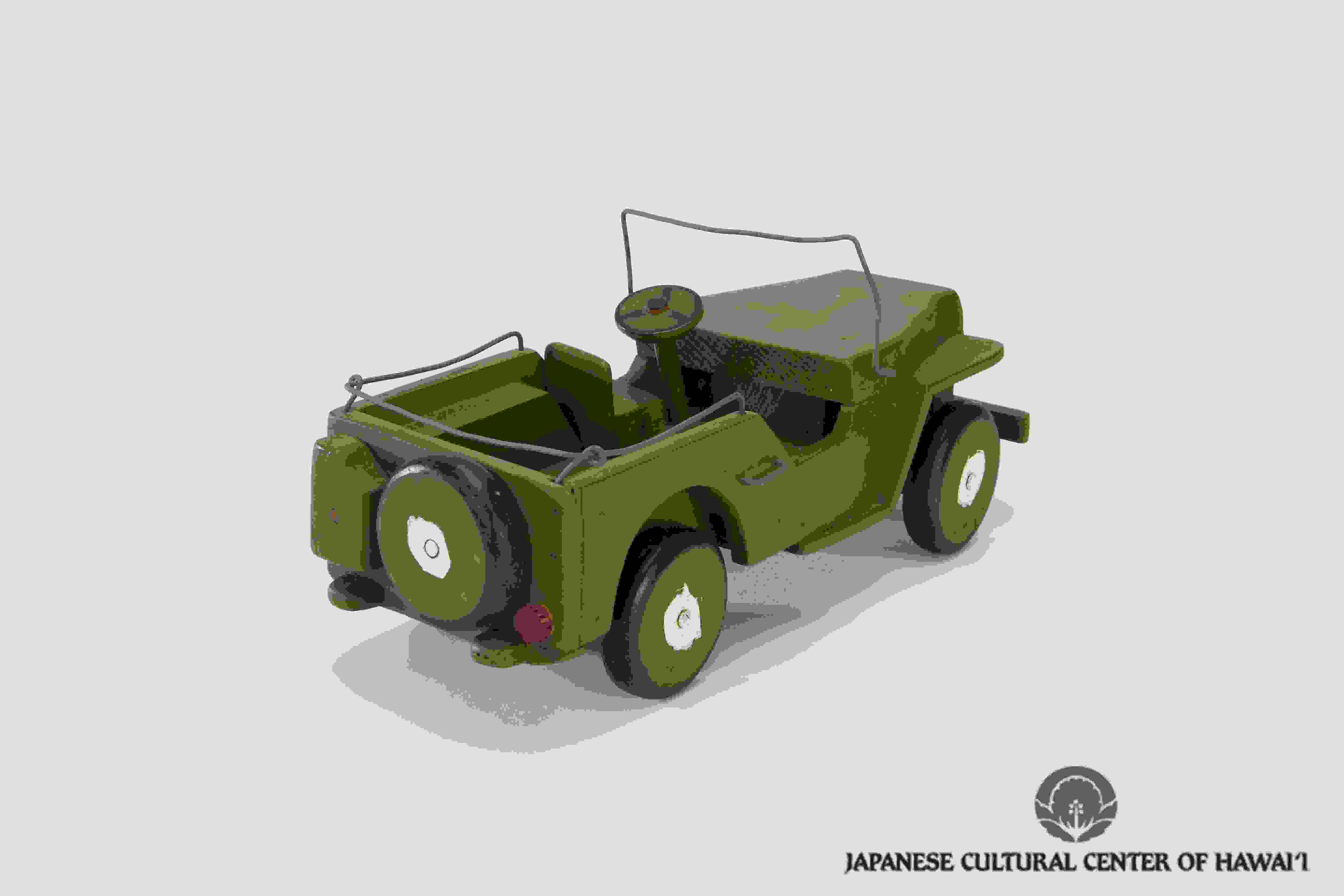
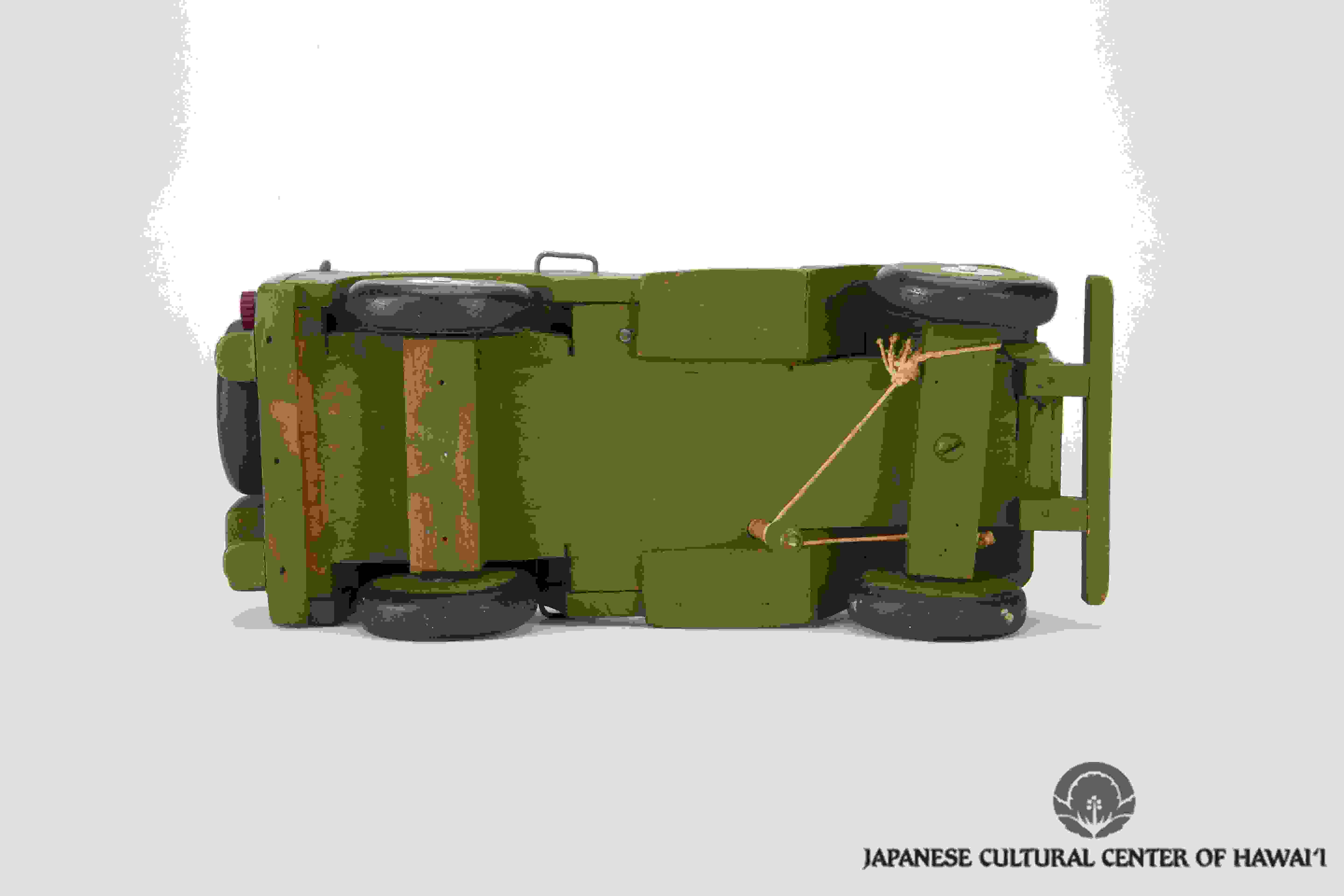
Hand-crafted and painted toy Jeep made of wood and metal wire detailing. From the Sam Nishimura Collection.
Many of these items he crafted were gifted to his children, showing how much Nishimura thought of his family while in camp. Similarly, the family felt the absence of Nishimura deeply in Haleʻiwa. In September 1943, Nishimura's wife Hisae wrote to the military governor of Hawaiʻi, Lieutenant General Robert C. Richardson Jr., requesting her husband's release and if not that, another hearing for his case. In her letter, she wrote of her contributions to the war effort by mending and altering servicemen's uniforms, but also how doing it alone was incredibly difficult, and that her husband would be of better use to the country if he returned back to the family tailor shop to continue with the work.
Nishimura's daughter, Grace Mitsuko Nishimura Fukunaga, also noted that the family had to travel far to visit him, and since the children had to take turns going, not everybody got to see him weekly. Just as Nishimura missed his family, the family missed him; she recounted,
"I'd dream often that Pop came home! But when I awoke I'd be so disappointed."
Visiting conditions were less than ideal as families were faced with guards in watchtowers pointing guns at them. Visiting family members were also not allowed to touch the internees, even if it was just to shake hands or share a hug. Despite the restrictive conditions, whenever the family did visit, Nishimura always made sure to note it in a diary he kept in camp.
Nishimura's father would drive the family to Honouliuli to visit him, but usually waited in the car making bamboo chopsticks instead of going inside. While Nishimura had signed the bank note that caused his arrest on behalf of his father, the two never talked much about the incident, and Nishimura never held it against him either. He believed that if one of them were to be interned, that it would be better if it was him rather than his father.
Having been detained and interned since April 1942, Nishimura's absence took a toll on his family. Subsequently, Nishimura wanted to be transferred to the mainland as it was the only way for the family to be together during internment. Those in Honouliuli were transferred if they answered "no" to the question of whether they would serve in the U.S. Army if they were released, in which case they were sent to Tule Lake Relocation Center. While Nishimura wanted to be transferred, when asked the same question, he answered,
"You know, being here two years makes you change your mind. But if I'm called, sure, I'm willing to serve anytime."
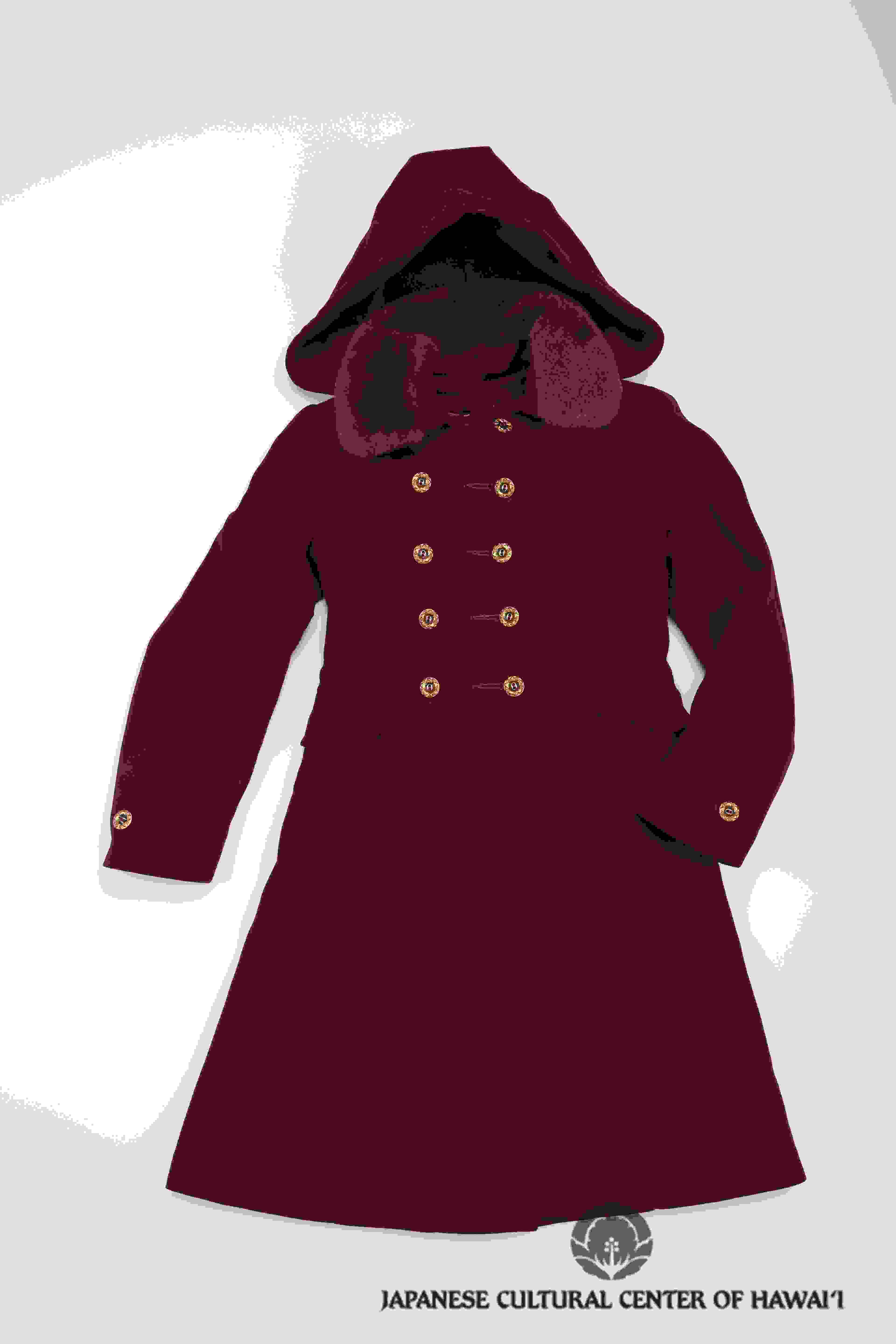
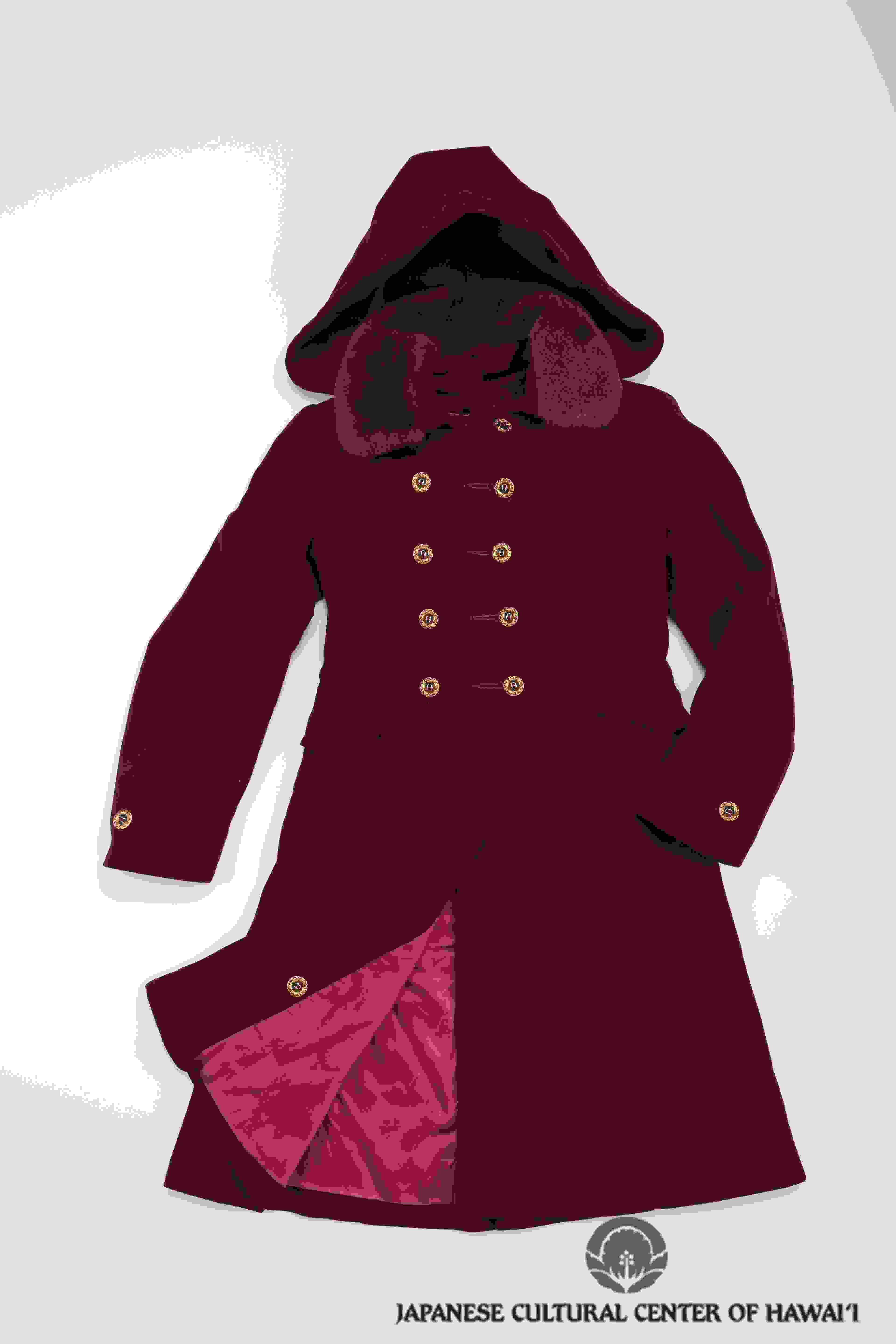
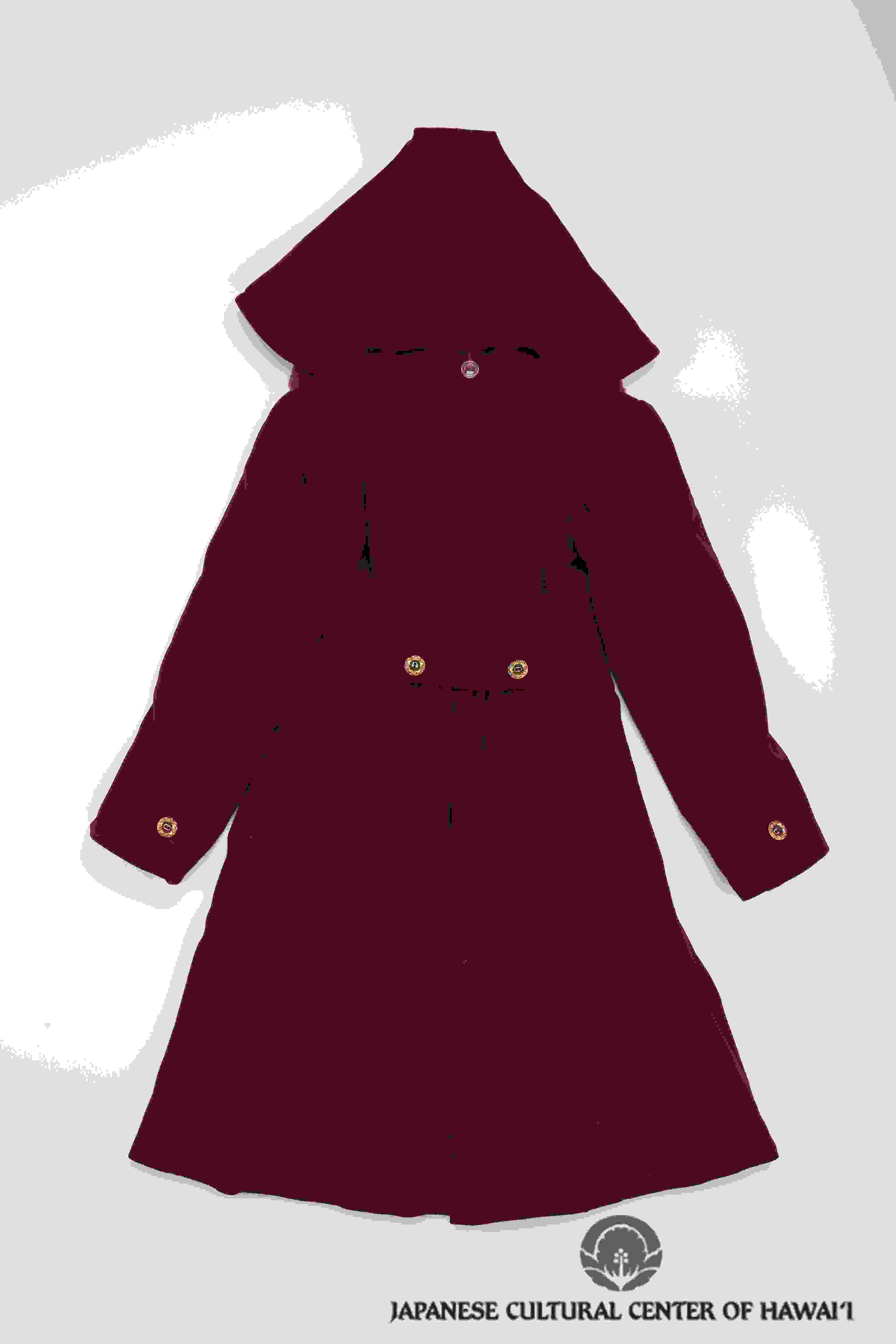
Double breasted woolen coat sewn by Hisae Nishimura for daughter Grace. From the Sam Nishimura Collection.
Hisae especially wished for Nishimura to transfer to the mainland so he could reunite with them, and near the end of 1943, the family made preparations to leave for the mainland with Nishimura. Hisae sold their shop's fabrics and items, and made woolen clothes for the family to prepare for the cold weather of the isolated internment camps. However, before he could be transferred, Nishimura was released in January 1944, nearly two years after he was first detained.
Life After Internment
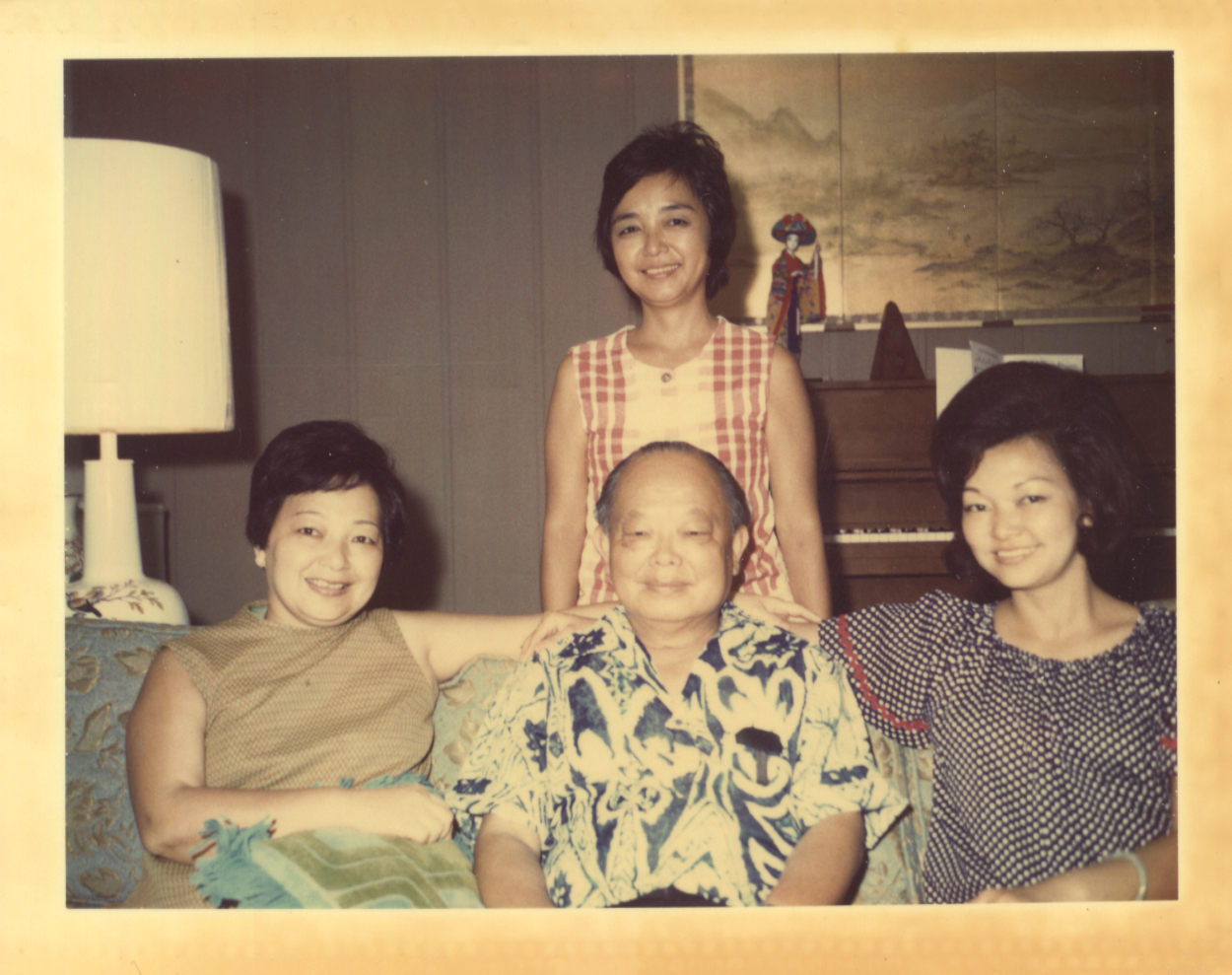
Sam Nishimura with three of his daughters, 12 August 1973, personal collection of Sandi Chang, scanned in 2026 by Reva Mai. From left to right: Edna, Sam (sitting), Grace (standing), and Doris.
Left: Honouliuli, 2002; Right: Honouliuli, 1944
Although Nishimura was reunited with his family, his time as an internee still followed him home. After he came back, people were hesitant to speak with him out of fear that the released internees were still being monitored closely and that by associating with them, they too would be considered suspicious. Nishimura's daughter, Edna Nishimura Saifuku, recalled that whenever her father's friends did visit, it was only during the night. According to Nishimura, his wife also experienced similar treatment while he was interned, and recounted,
"Very few friends came to see my wife. They are afraid. If somebody was interned... well, they think somebody's watching and going to report that certain guys came to his home. So, nobody would want to come. My wife told me that only about two persons [sic] came to see her."
Other internees experienced similar ostracization from those in the Japanese community, showing how the label and stigma of being an internee still followed people like Nishimura outside of the camps. This was not helped by the fact that Nishimura had returned when the war was still ongoing, so hysteria still remained. Nishimura never took it personally, and instead, focused on serving the community through his shop and spending time with his family.
However, Nishimura was quite bothered over the injustice of being interned unreasonably and the lack of immediate reparations after. He recounted having to sign documents just before being released that stated he would not sue the government, or else he would be kept in the camp. In the end, Nishimura signed the papers so he could be released, but still believed it was wrong of the government to coerce the internees into not seeking justice. After returning, according to his granddaughter, Sandi Saifuku-Chang, Nishimura did not talk much about his time in the camps, still angry over the government having taken him away.
Nishimura went back to work at his tailor shop, and most importantly, back to his family. Grace also recalled her happiness at being reunited with her father,
"I remember Jii-san saying, 'Look at Mitsuko — all smiles.' I couldn't think of anything to say. What counted was, Pop was home at last."
Grace fondly remembered the years after her father came home, finally able to enjoy activities as a family that they were unable to do during the time he was interned, such as going to the beach, fishing, and picnicking on the weekends.
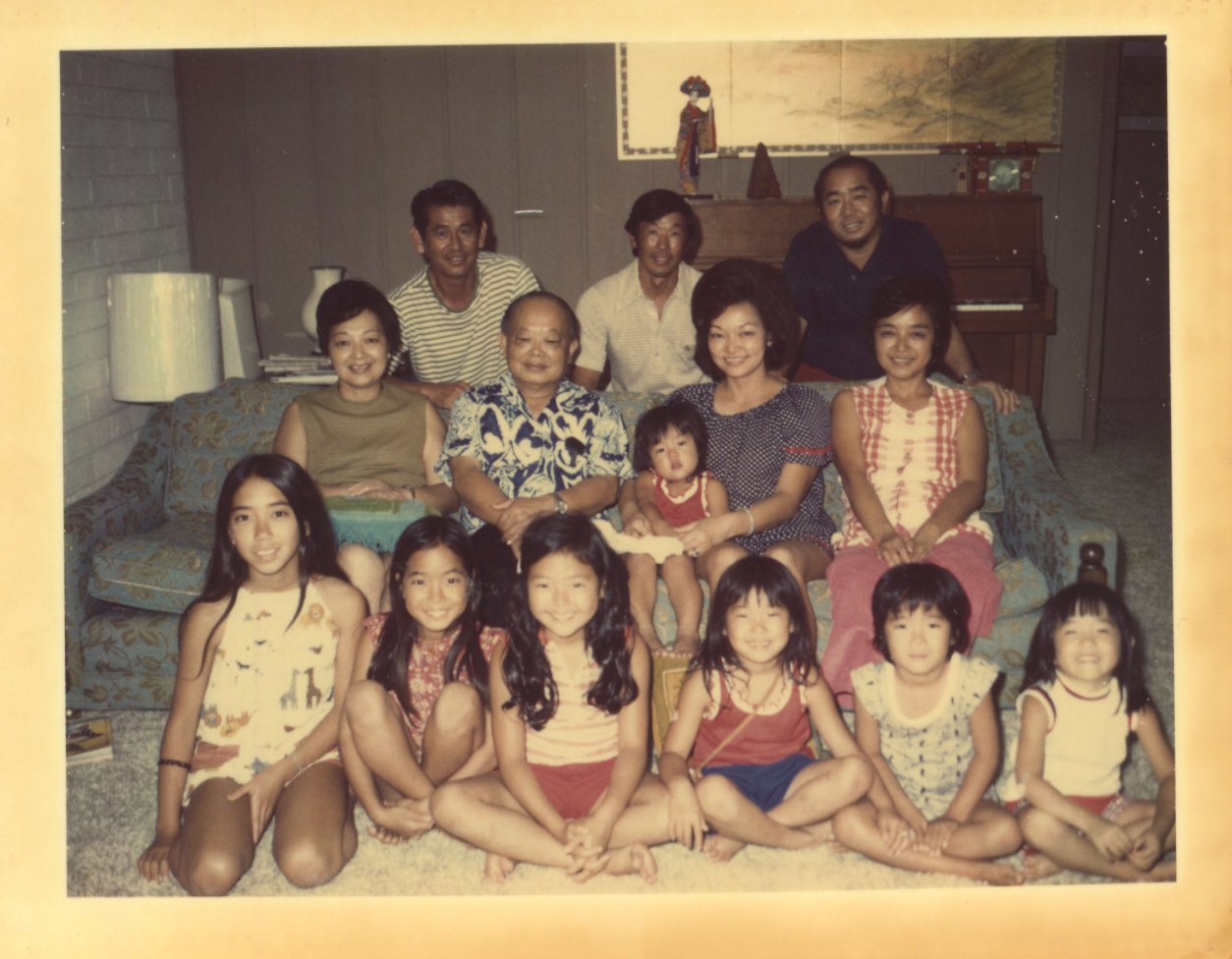
Sam Nishimura with his daughters, sons-in-law, and grandchildren, 12 August 1973, personal collection of Sandi Chang, scanned in 2026 by Reva Mai.
Unfortunately, around the late 1950s, Hisae started to fall ill, and eventually lost the ability to move and speak. Nishimura took care of her devotedly, and when Hisae eventually passed in April 1960, Grace noted a part of Nishimura went with her. After her death, Nishimura became especially involved in community work, and joined the Lions Club. He also found great joy in traveling, and had visited other U.S. states, Canada, Asia, and Europe. Grace said his greatest regret, however, was that Hisae wasn't sharing this dream that they'd both had about one day traveling together.
Nishimura remained active until his death, and had a routine of having breakfast at the house of Mrs. Koike, his neighbor, lunch at the gym with other senior citizens, dinner at Mrs. Koike's, and then TV before bed. On February 19, 1976, President Gerald Ford formally terminated Executive Order 9066, which was the executive order signed by President Franklin D. Roosevelt during World War II that authorized the forced removal and internment of Japanese Americans. However, it did not offer any reparations to internees like Nishimura, nor a formal apology. Nishimura eventually passed away on February 4, 1977, nearly a year after the termination of Executive Order 9066 and just two months shy of his 72nd birthday. While he had believed that being unable to sue the government for the unconstitutional internment was a great injustice, he passed away before the Civil Liberties Act of 1988 was signed eleven years later, which provided each surviving internee with $20,000 and a formal apology. His daughter, Edna, wrote to the Office of Redress Administration (ORA) asking for an apology to her father, which she received signed by President George H. W. Bush.
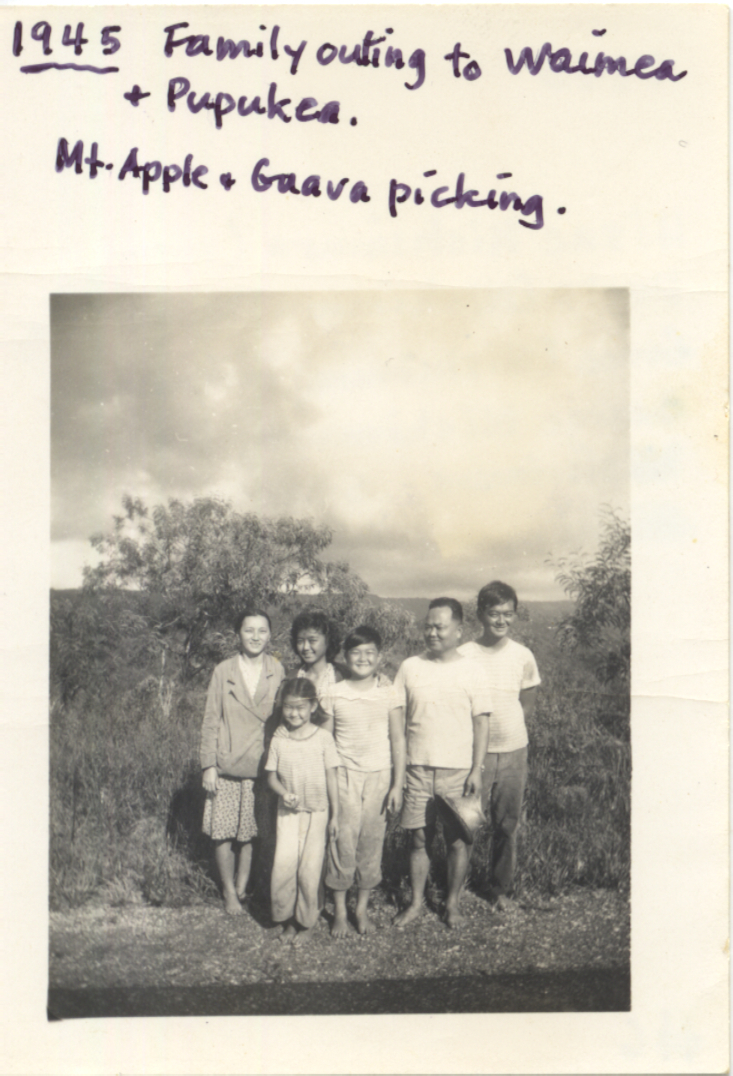
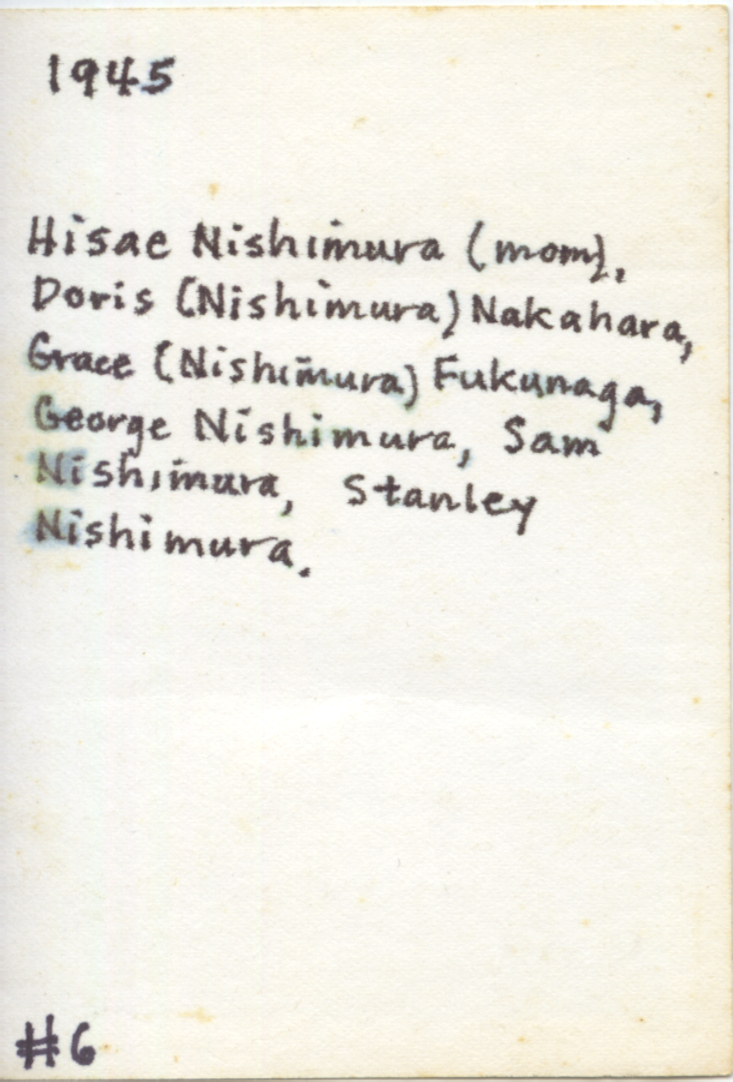
The Nishimuras on an outing together, 1945, personal collection of Sandi Chang, scanned in 2026 by Reva Mai. From left to right: Hisae, Doris, Grace, George, Sam, and Stanley.
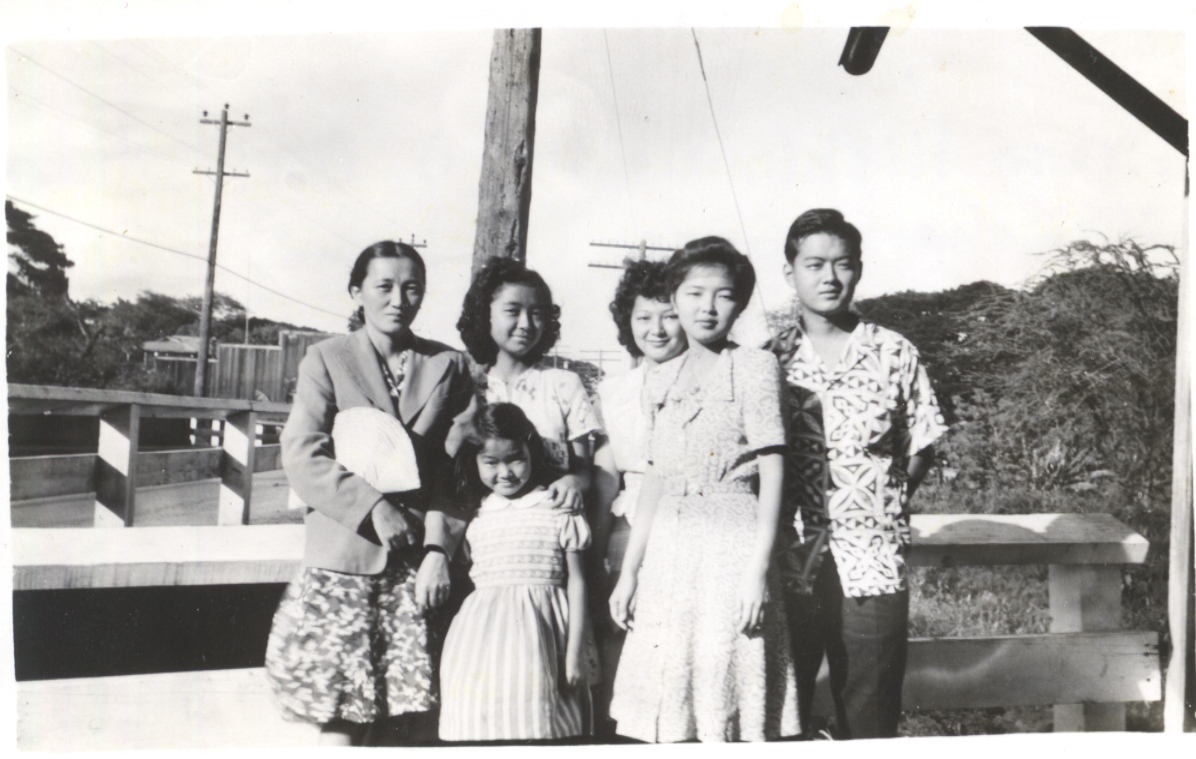
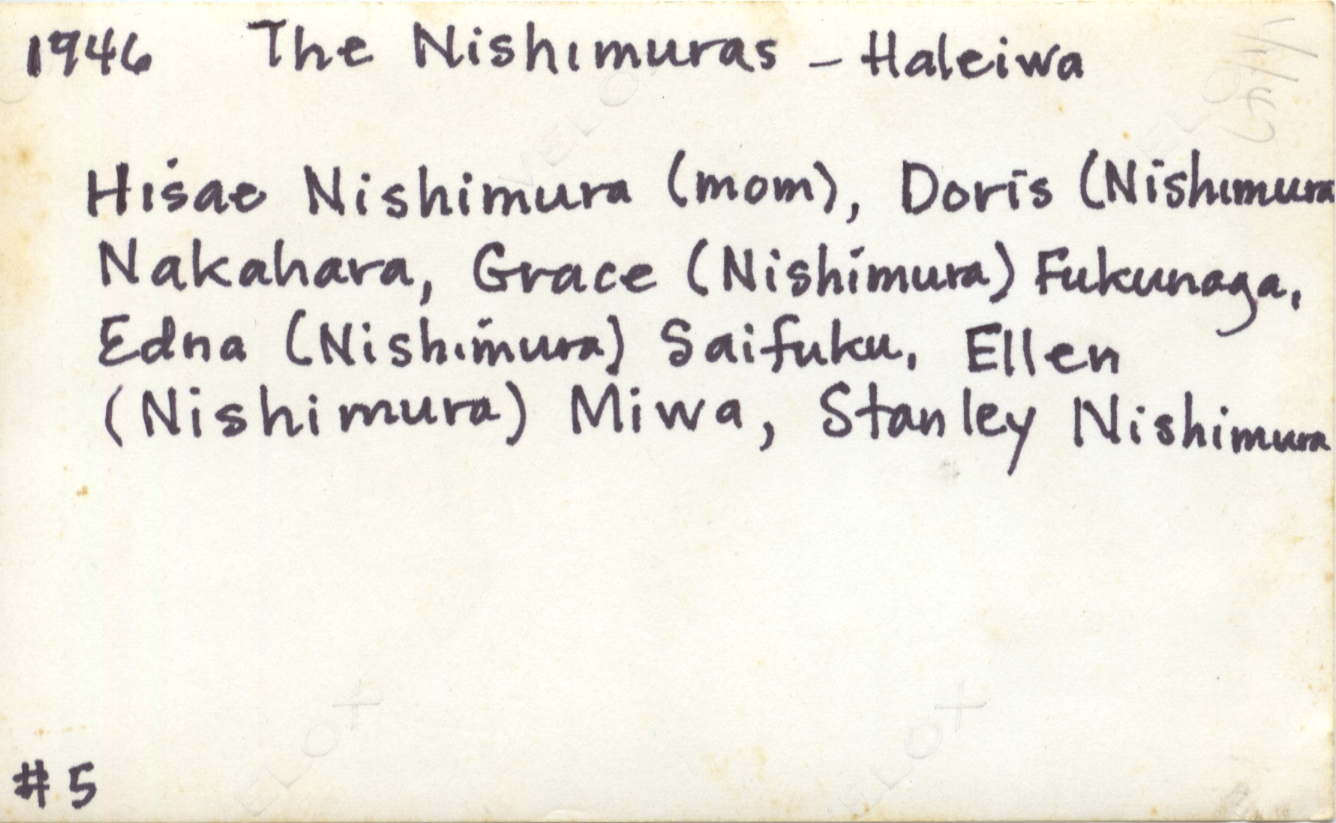
The Nishimuras in Haleʻiwa, 1946, personal collection of Sandi Chang, scanned in 2026 by Reva Mai. From left to right: Hisae, Doris, Grace, Edna, Ellen, and Stanley.
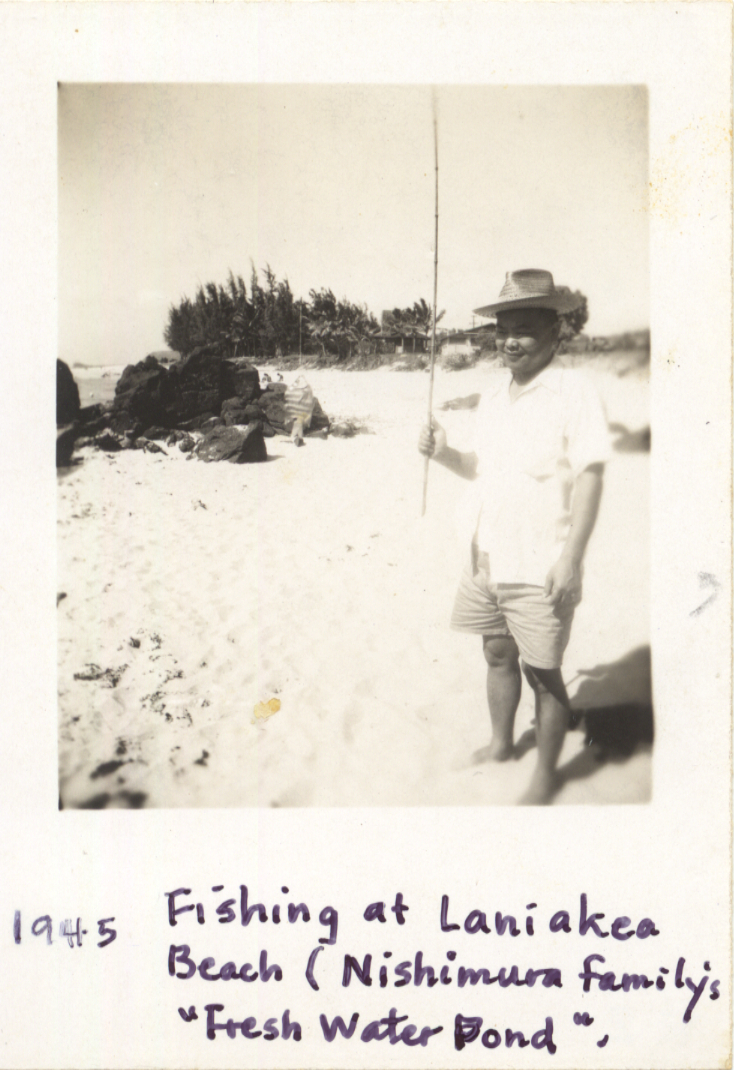
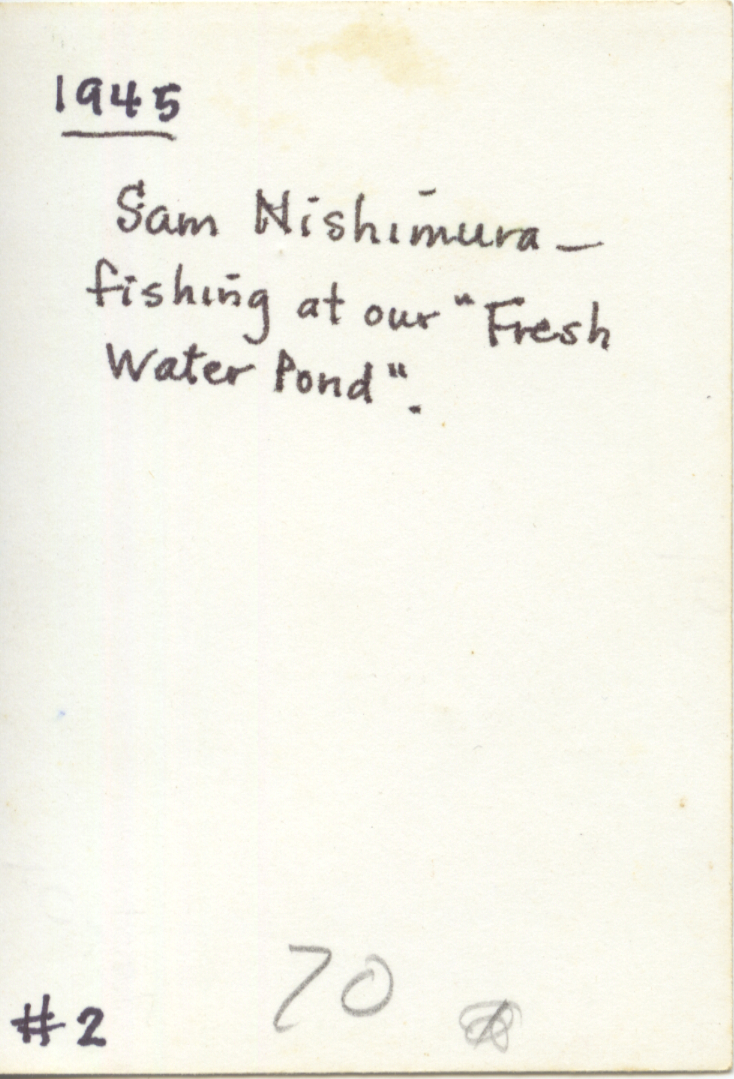
Sam Nishimura fishing at Laniakea Beach, 1945, personal collection of Sandi Chang, scanned in 2026 by Reva Mai.
Yamato, Sharon. Civil Liberties Act of 1988. (2024, September 9). Densho Encyclopedia.
Termination of Executive Order 9066. (2020, July 7). Densho Encyclopedia.
Educational Resources
The Untold Story: Internment of Japanese Americans in Hawaii — PBS documentary
About the Curator
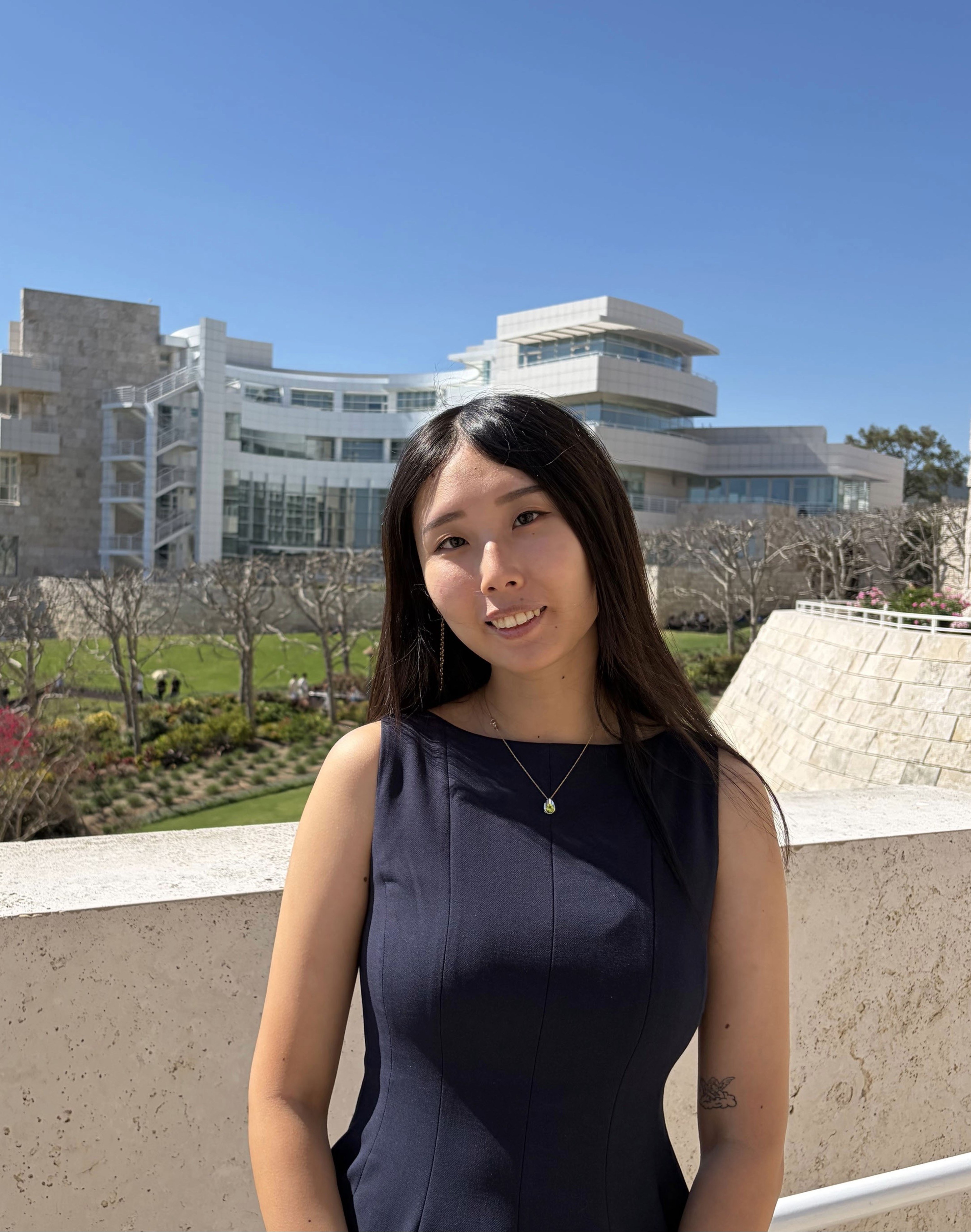
This digital exhibit was researched and created by Reva Mai, a Spring 2026 intern at the Japanese Cultural Center of Hawaiʻi. Reva is a graduate student in the University of Hawaiʻi at Mānoa's American Studies department, with a research focus on Japanese American history. She came to the JCCH through UH's Museum Studies Graduate Certificate Program, which places students in Hawaiʻi's museums for hands-on professional experience.
Special Thanks
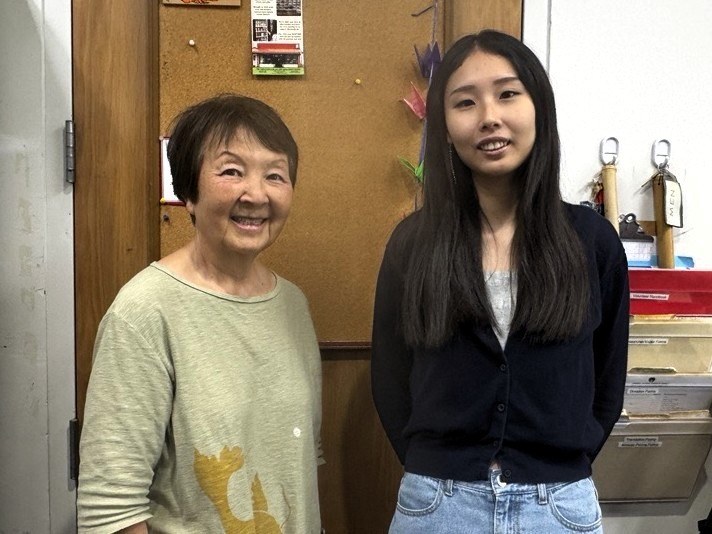
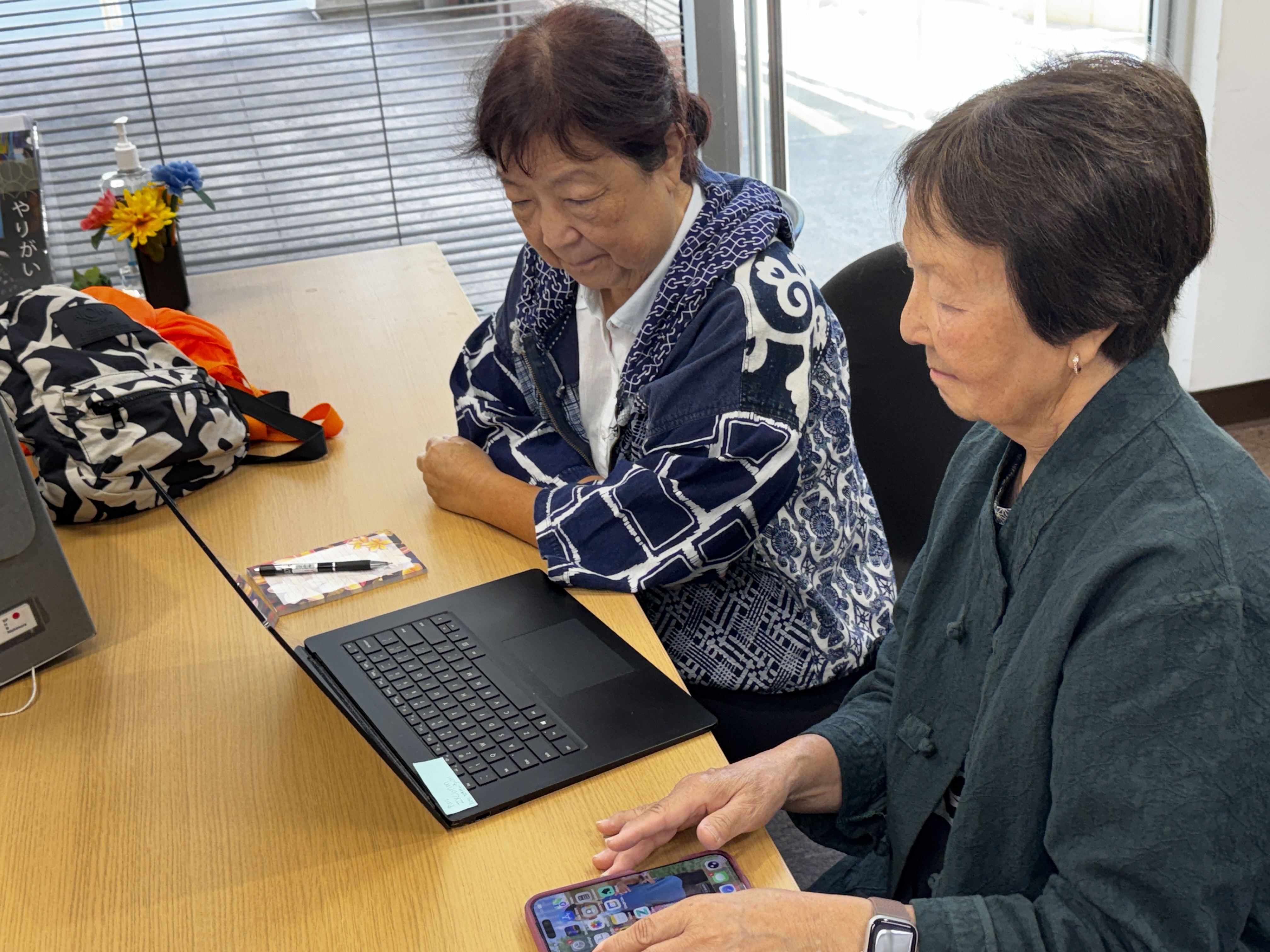
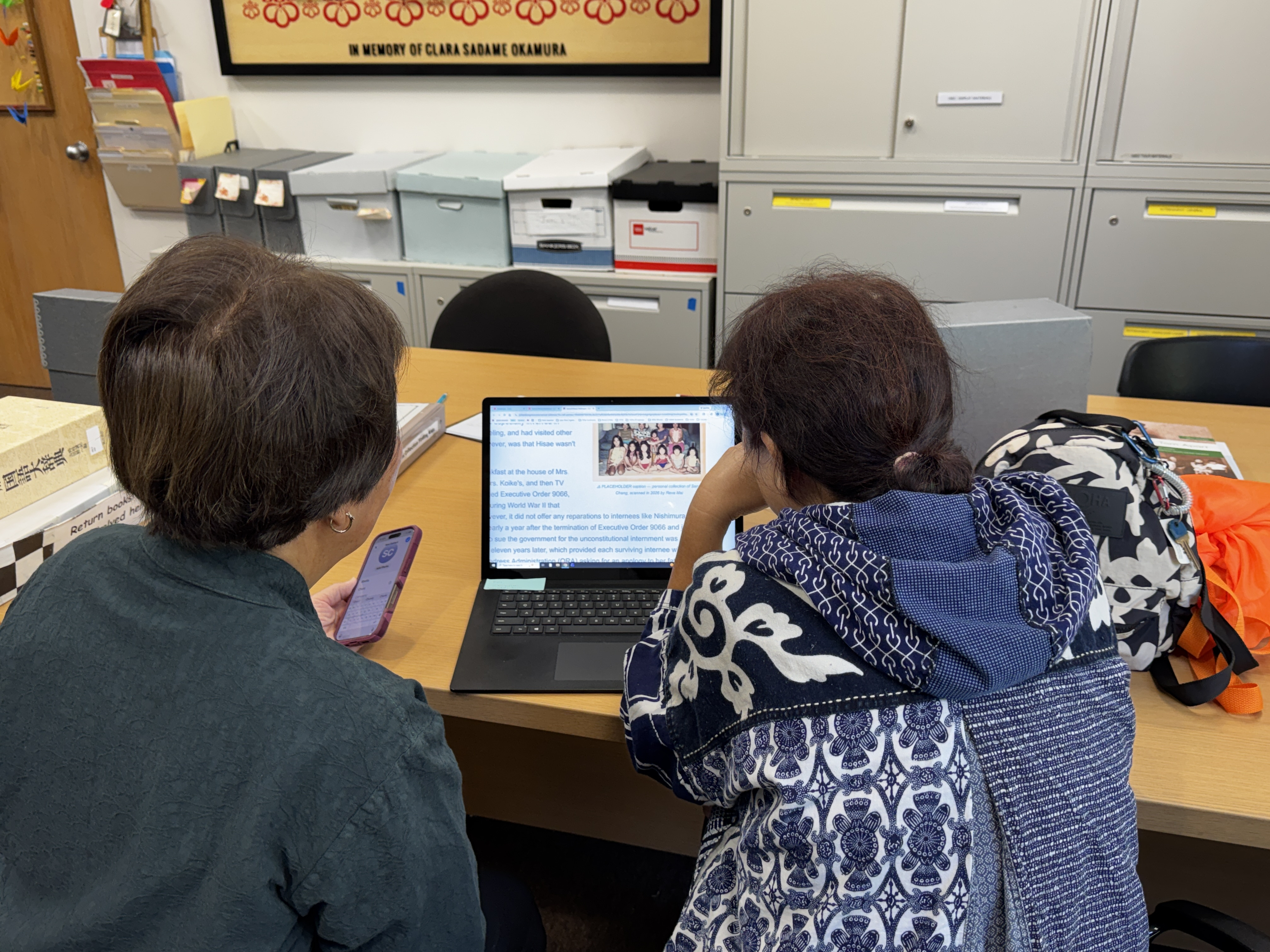
Thank you to Sandi Chang for lending us your resources and contributions to the creation of this digital exhibit. Sandi took the time to tell us stories about her grandfather and family, provided photos and information to bring this digital exhibit to life, and eagerly supported our goal in helping keep her grandfather's legacy and memory alive. This digital exhibit could not have been done without her.